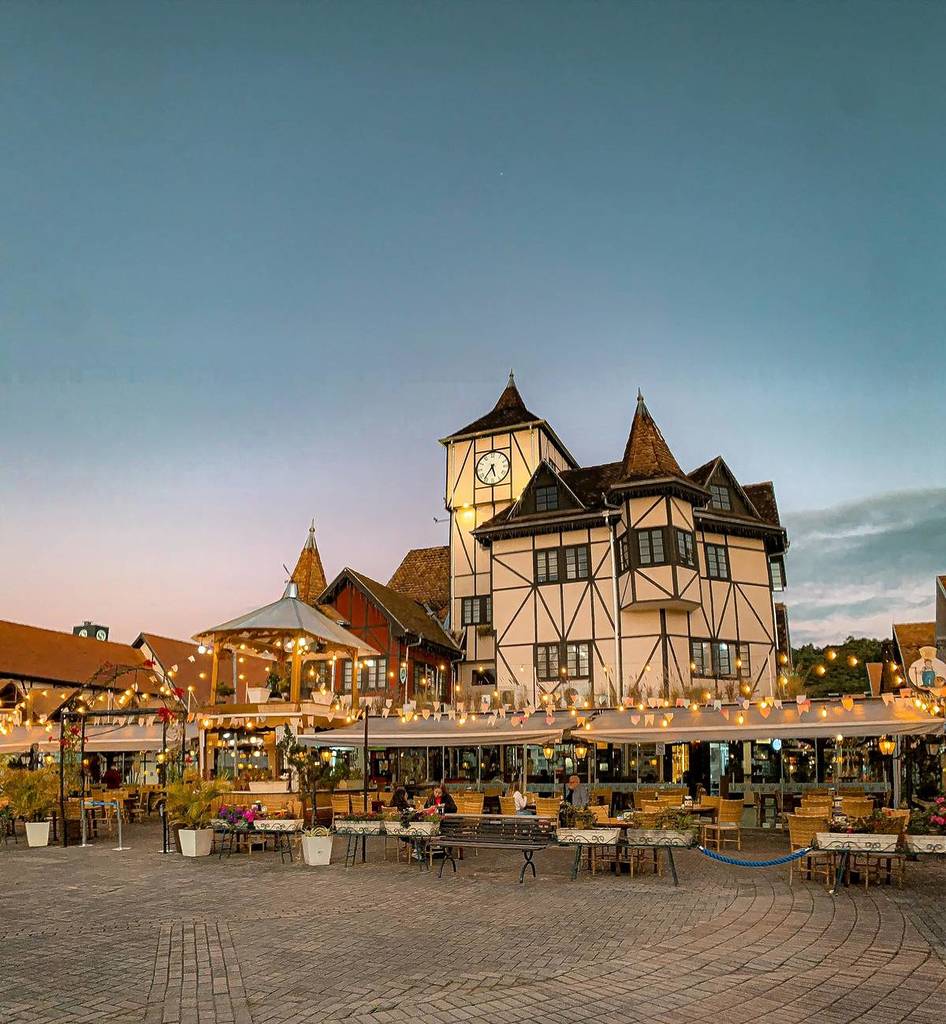
We Germans are known to be everywhere, and Brazil is no exception. For some of us, however, it wasn’t enough to just go on vacation here, which is why an entire city was created. As German culture is rather exotic in Brazil, it has become a popular destination for tourists. Even Oktoberfest is celebrated here!
The beginnings of the Brazilian Empire
In the 19th century, during the time of the Brazilian Empire, many Europeans were drawn to the province of Santa Catarina. The first Germans came from Rio de Janeiro to what is now the state in 1828. From the capital Florianópolis, they spread further and further. Eventually, a German chemist and pharmacist, together with 17 other people, founded a settlement in Brazil for his compatriots who wanted to emigrate. He had acquired 200 square kilometers of rainforest from the imperial government for this purpose. In 1850, the time had finally come and Blumenau was born, named after the pharmacist from the Harz Mountains, Hermann Blumenau.
German was predominantly spoken here for the first century, but other languages such as Italian and Portuguese gradually gained in importance due to further immigration and internal migration. During the Second World War , it was finally even forbidden to speak German and schools were closed. Portuguese prevailed and is still the predominant language today, although many of the town’s inhabitants still speak German.
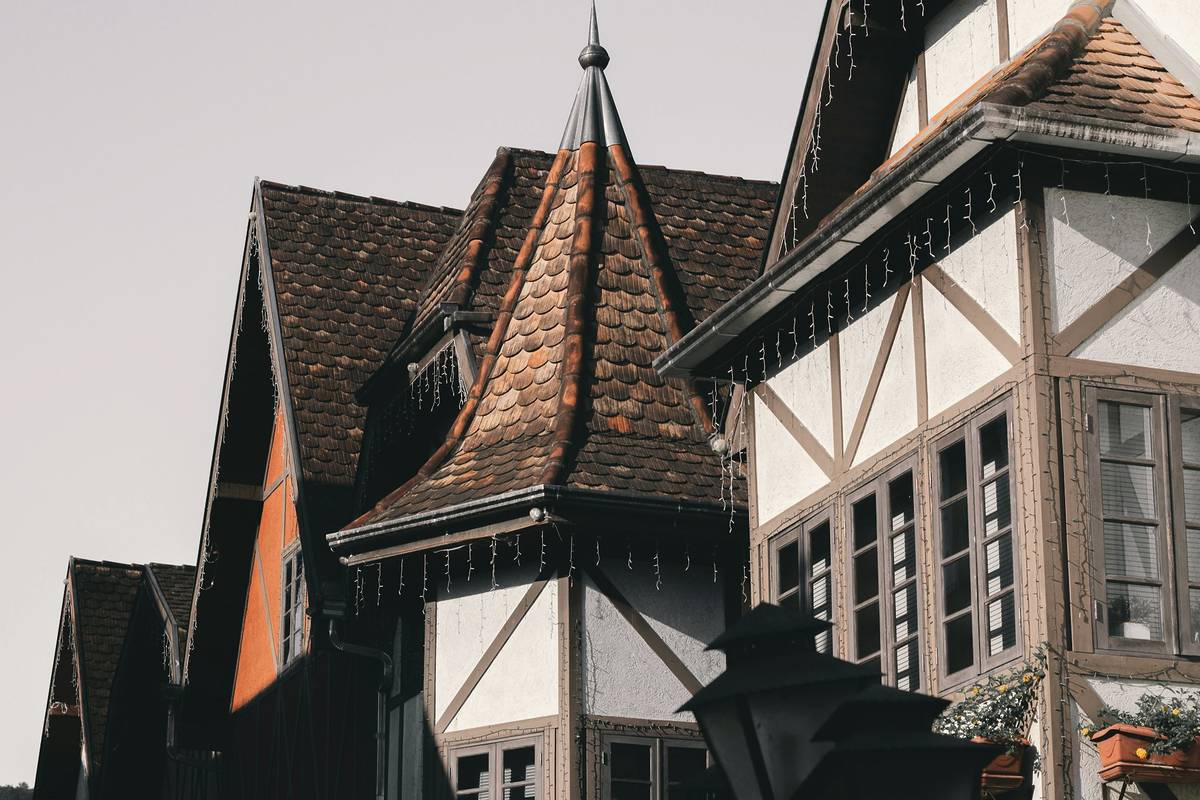
Blumenau continued to grow over the decades and now has an estimated 366,418 inhabitants. The houses with half-timbered façades are particularly popular with tourists, although they are not genuine half-timbered houses. They were also built much later and were not built when the settlement was founded. Unlike the architecture, the subtropical climate seems less German. The average annual temperature is 20.3°C, which some people here can only dream of.
Production of German goods
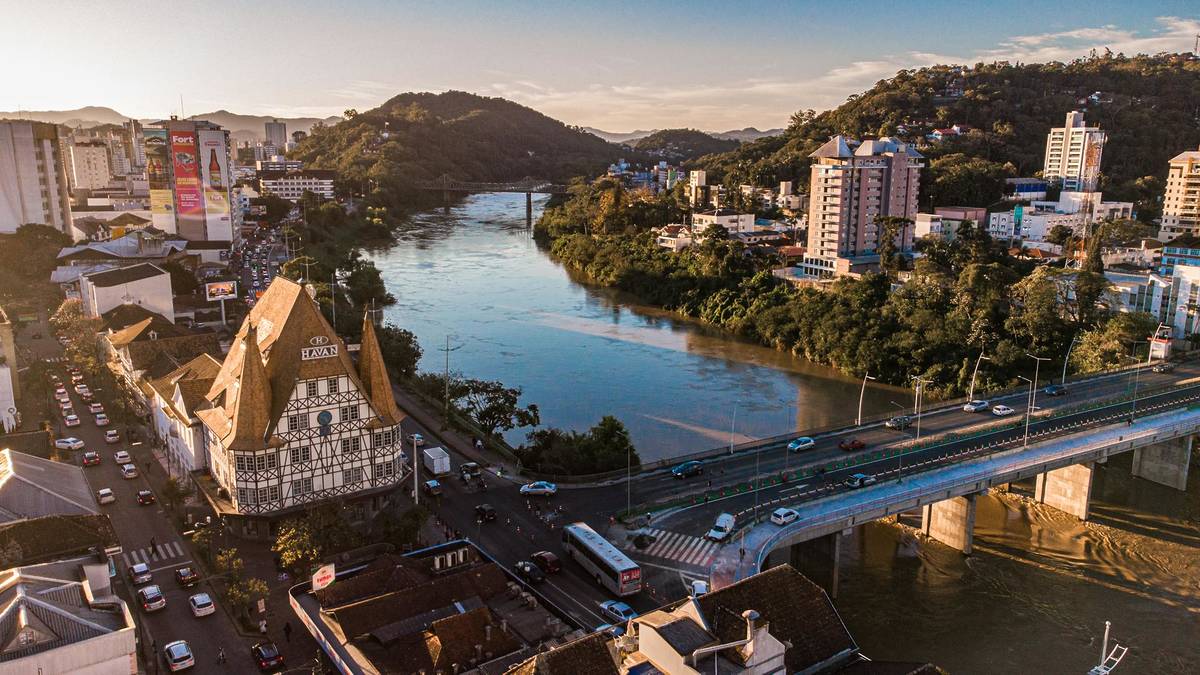
Tourism naturally plays a major role in Blumenau. German architecture and cuisine are rather unusual in Brazil, which is why the town attracts numerous visitors. But the city also excels in other areas. For example, the “Eisenbahn” brewery brews beer according to the German purity law, which can be bought throughout Brazil. The “Hering” brand plays an important role in the textile industry, producing mainly for the national market. Porcelain production also plays an important role. Blumenau is also the most important financial center in the whole of Santa Catarina.
The Oktoberfest in Blumenau
In addition to the half-timbered facades and the German gastronomy, the Oktoberfest is the city’s main attraction. After a flood hit Blumenau in 1983, the town was in urgent need of funds. The organization of the first Oktoberfest based on the Munich model the following year was intended to provide relief. The proceeds from the festival went towards the reconstruction of the town.
Since then, the Oktoberfest has been held in Blumenau every year. The celebrations last 18 days on the grounds of the Vila Germânica. Of course, people also wear traditional costumes! The “Magia de Natal” Christmas market, another highlight for tourists, takes place on the same grounds from mid-November to the end of December.
With around 600,000 visitors and just as many liters of beer served, Oktoberfest is the second largest folk festival in Brazil. Only the carnival in Rio de Janeiro, which is attended by several million people, is bigger. This year’s Oktoberfest Blumenau runs until October 26, 2025. So if you fancy a bit more fun on the other side of the Atlantic, then let’s go!