A lot will change in Munich in the new year 2026. We can be happy about the increased minimum wage, but will also be annoyed by various new construction sites. Life will probably not get any cheaper either :those who store online will have to dig deeper into their pockets. And prices in restaurants are likely to remain high – despite the change in VAT.
The German government has decided to return to the reduced VAT rate of 7% as of January 1, 2026. The previous rate was 19 percent. The reduction is intended to support the catering industry, but consumers are now facing disillusionment: there will be no price drop on menus. Major catering giants and industry associations have made it clear that the tax relief will not be passed on to guests, but will remain in the businesses. The 12% difference in VAT will flow directly into covering the restaurants’ operating costs and profits.
The arguments of the restaurateurs
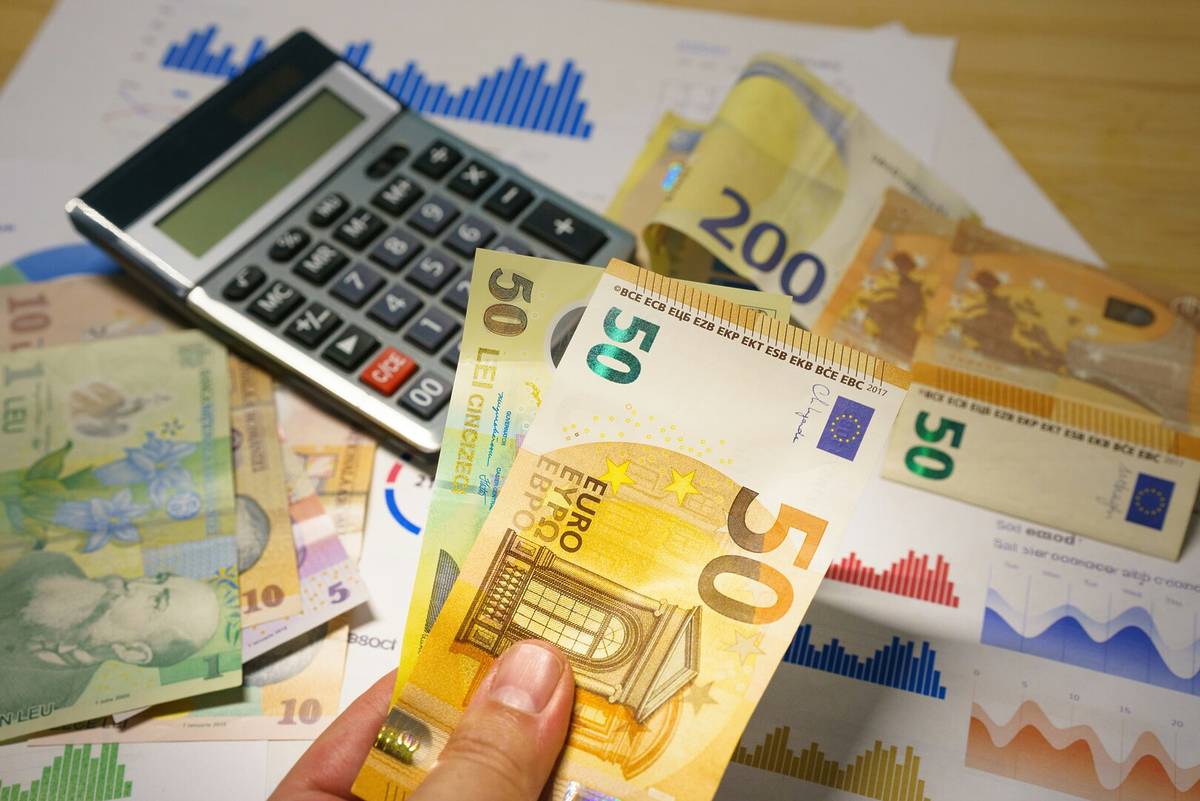
Chains such as L’Osteria, Burger King and Nordsee justify this step with the economic reality of recent years. Expenditure on staff, energy and raw materials has risen enormously in the catering industry. According to the German Hotel and Restaurant Association, the tax reduction primarily serves to “secure the future”.
Instead of lowering prices, many chains are only promising lower prices: L’Osteria announced that the tax savings would enable it to forego further price increases that were actually necessary. Burger King speaks of a “stabilization” of the current level. And Nordsee considers across-the-board reductions to be impossible and only wants to implement selective discount campaigns.
The criticism from an economic perspective
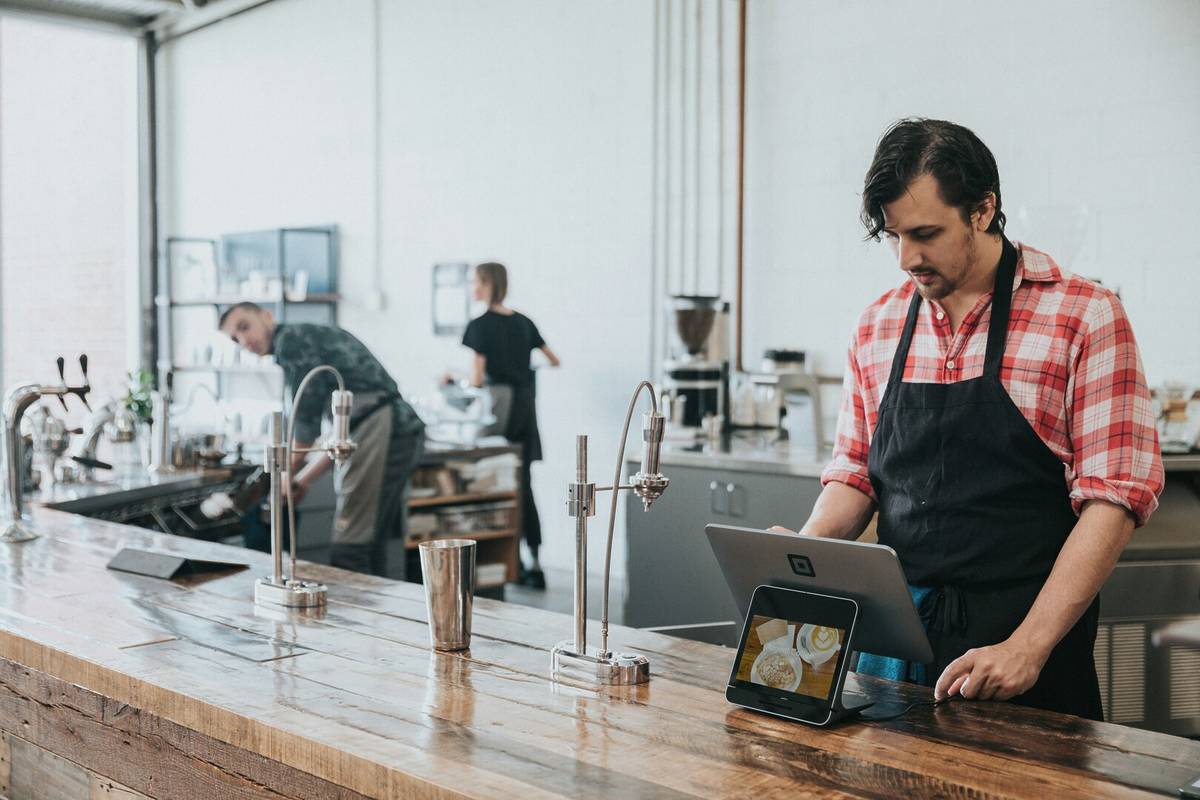
Tax cuts are generally much less likely to be passed on to customers than tax increases. This is also a source of criticism. While restaurateurs point to the urgently needed liquidity, there is resistance, especially in view of the costs for the general public. The Federal Ministry of Finance is expecting tax losses of around 3.6 billion euros for 2026 alone.
Critics complain that a subsidy package worth billions has been put together here that does not bring any direct financial benefit to citizens, while the state has to make savings in other areas at the same time.
For diners in Munich and the rest of Germany, this means that eating out will remain an expensive pleasure for the time being. But the spiral of price increases could be slowed down, at least temporarily, by the measure.