
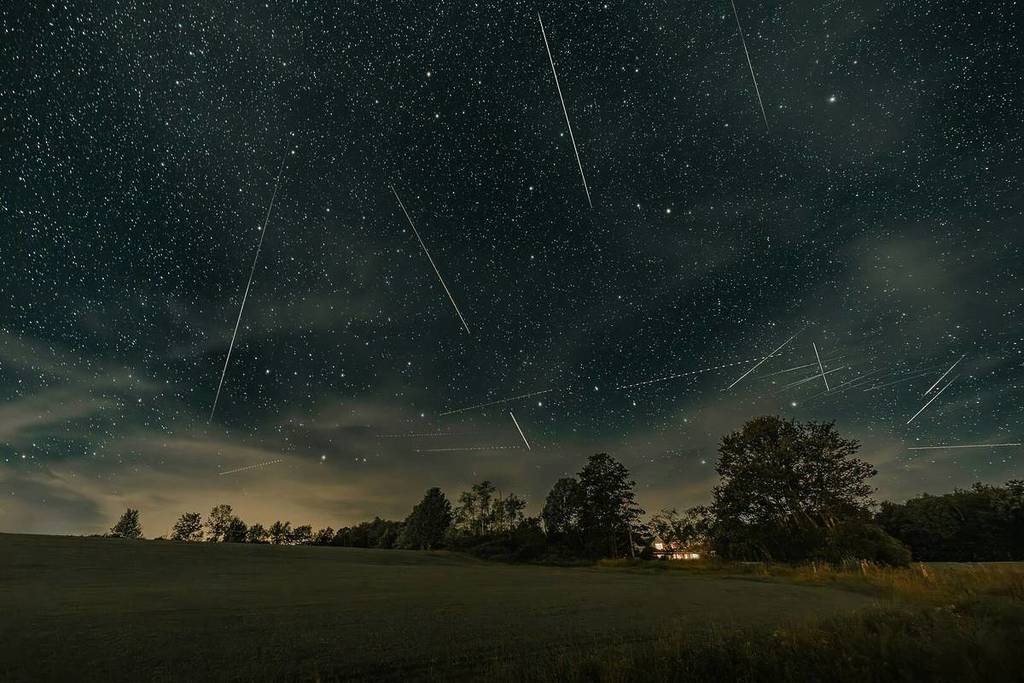

Every August, the stars align particularly well—and we mean that quite literally. Following the Lyrids in April, the next major meteor shower of the year is now upon us. This summer, too, the Perseids will become beautiful wish-granters as they streak across the Munich night sky. We’ll let you know when it’s especially worth gazing up at the heavens.
What are the Perseids?
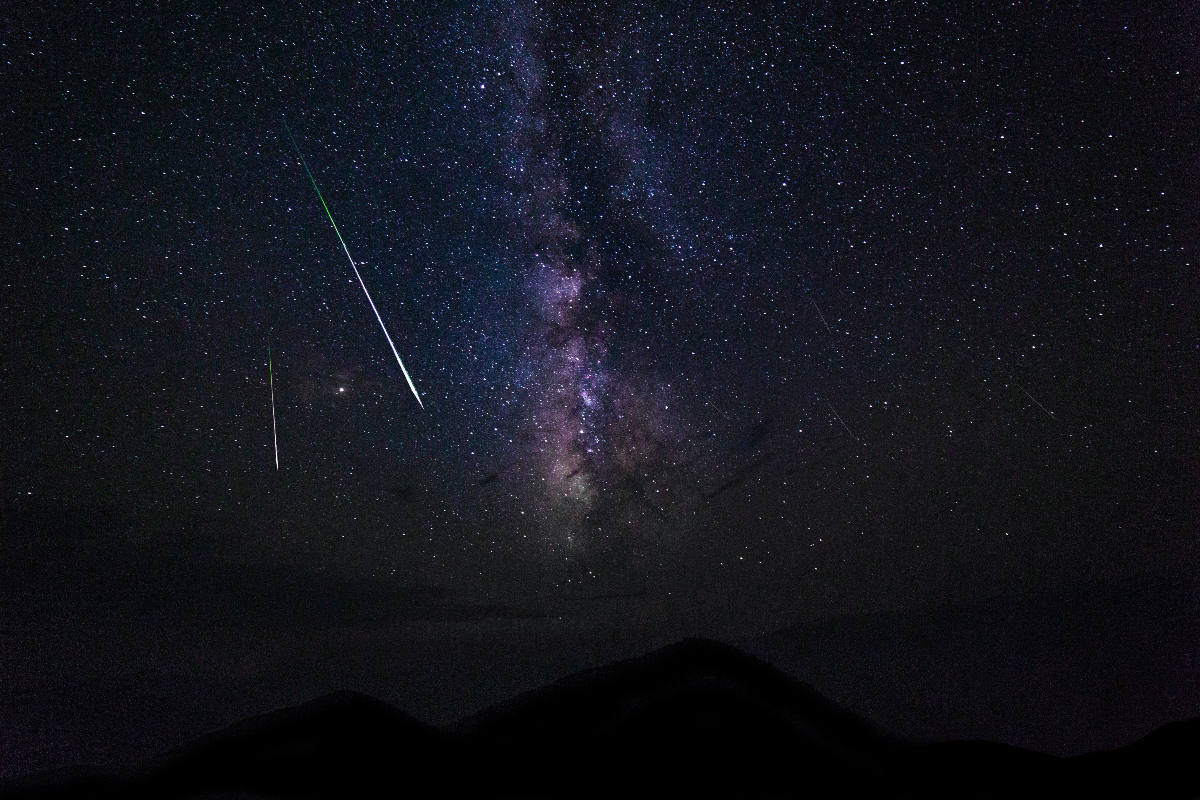
The Perseids are an annual meteor shower that lights up the night sky every August . The sparkling shooting stars are actually just dust and rock particles entering Earth’s atmosphere at 60 km/s. They originate from the dust trail of Comet Swift-Tuttle: This trail always crosses Earth’s path during the first half of August.
The peak of this meteor shower occurs on the nights around August 12. Up to 100 shooting stars can be seen per hour! The name “Perseids” comes from the constellation Perseus, from the direction of which the meteoroids appear to fall. Another nickname is “Tears of St. Lawrence,” since the feast day of St. Lawrence falls during the same period.
How and where is the best place to see the Perseids in Munich?
August 12 this year is marked by astronomical highlights in two ways: While you’ll be observing the partial solar eclipse in the evening starting around 7:23 p.m., the Perseids will be raining down across the night sky after dark. That night, they’ll reach their peak of 100 to 120 shooting stars per hour! In the city, however, you’ll likely see more like 10 to 30. Thanks to the new moon, the sky will appear darker and won’t outshine the faint shooting stars, creating ideal viewing conditions. You’ll spot the most Perseids between 10 p.m. and 4 a.m., when their radiant moves toward Earth.
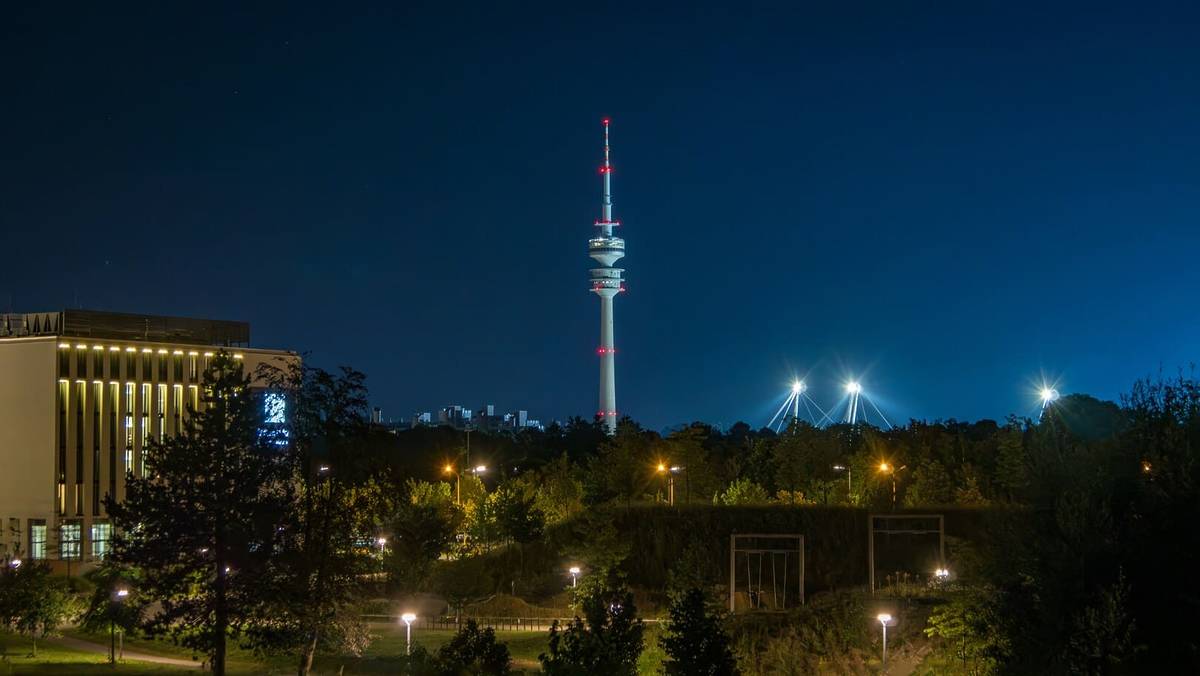
To observe the shower, find a spot with an unobstructed view and as little light pollution as possible. In Munich , the Olympiaberg, the Fröttmaninger Berg, or the English Garden are particularly well-suited for this. Or you can combine this magical night with a short trip to Munich’s beautiful surrounding countryside. Insider tip: The Winklmoosalm near Munich is an official starlight park with a perfect night sky for astronomy enthusiasts.
If you miss the peak of the Perseids in Munich on the night of August 12–13, don’t worry: the shooting stars will continue to fall from the sky until August 24. Plus: NASA will be broadcasting the phenomenon live on YouTube from the Marshall Space Flight Center from 5 a.m. to 12 p.m. German time. Now the only question remaining is: Have you thought of enough wishes to keep track of the hundreds of shooting stars in the night sky?
