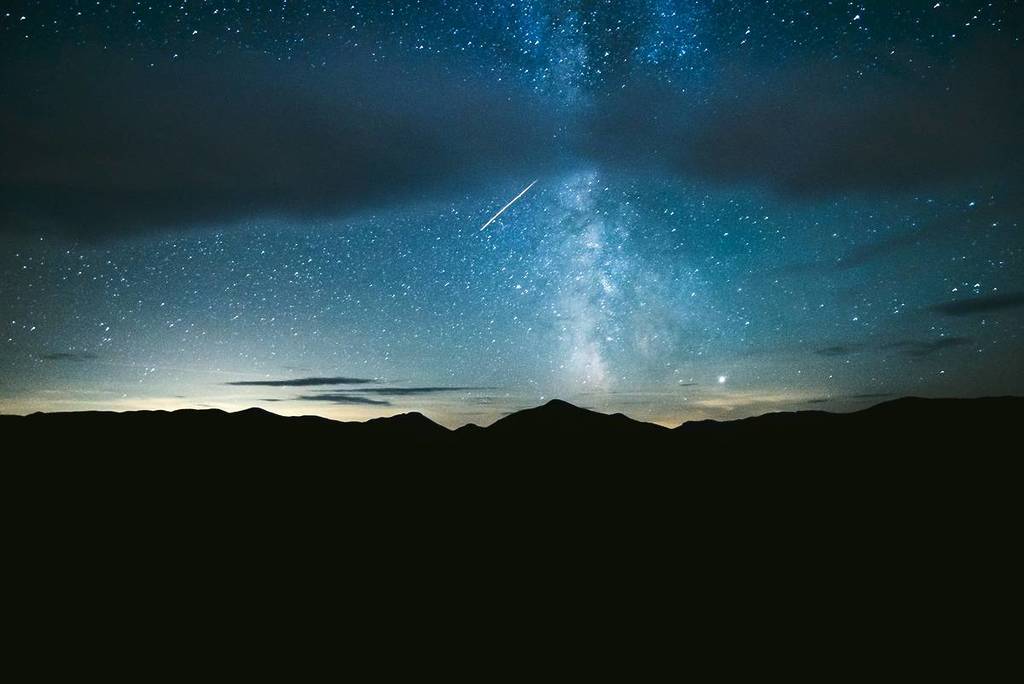

Watching the starry sky together on balmy spring nights—there are few activities more romantic. If you happen to spot a shooting star, the evening is perfect. If you’re planning a date like this soon—where you first watch the sun set over Munich together and then stargaze—you should mark the period around April 22 on your calendar. That’s when the Lyrids are active again, creating a magical spectacle in the night sky.
What are the Lyrids?
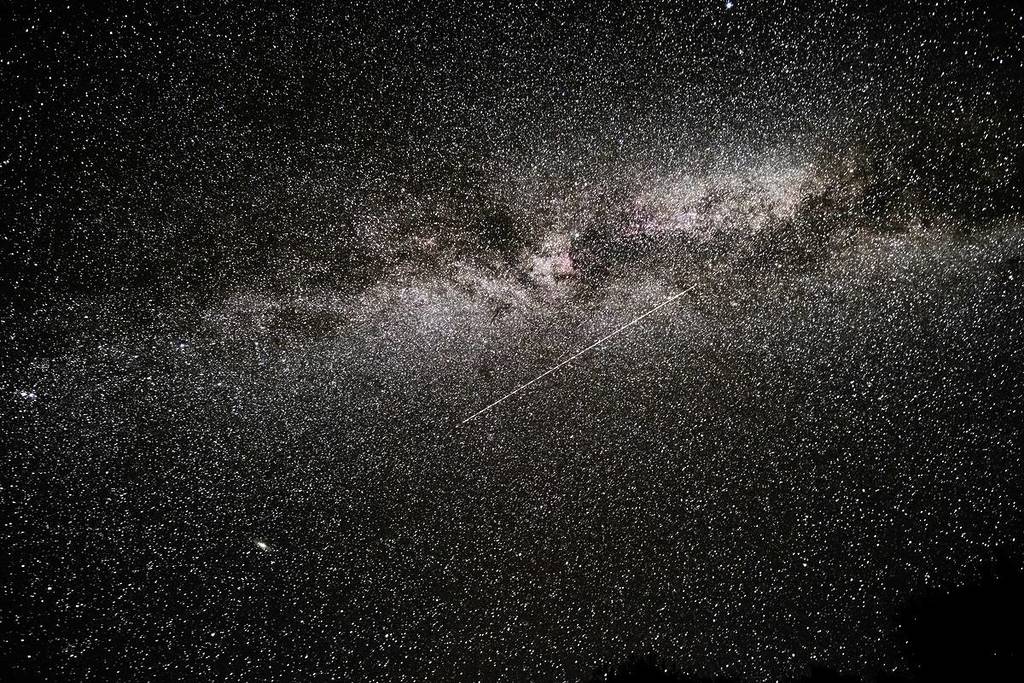
The Lyrids are a meteor shower that is active for about two weeks in April. They appear from April 14 to 30 in the constellation Lyra , from which their name is derived. This meteor shower was first observed as early as 687 BC and continues to shower the sky with shooting stars every year to this day. Over time, the radiant has shifted slightly and is now located below the star Vega, which is the brightest star in Lyra.
The Lyrids move relatively fast at 49 km/s, which makes them harder to spot, unlike the Geminids in December. The Perseids move even faster at 59 km/s, but can reach a peak more than five times as high as that of the Lyrids.
How to observe the meteor shower over Munich

If you want to witness the celestial spectacle of the Lyrids over Munich, the best time is the night of Wednesday, April 22, to Thursday, April 23. During this time, they reach their peak of up to 18 shooting stars per hour, though here in Central Europe, you can expect around 10 to 11. The show begins around 9:40 p.m., though the peak won’t be reached until after midnight, when the moon has set and the radiant is particularly high in the sky.
To observe the Lyrids, you should find a high vantage point with an unobstructed view of the sky , so that no buildings or trees block your view. The Olympiaberg or the Fröttmaninger Berg are good options here. You’ll have even better chances of spotting the shooting stars in places with low light pollution, such as the Star Park in the Bavarian Forest. Then nothing will stand in the way of you and your wish!