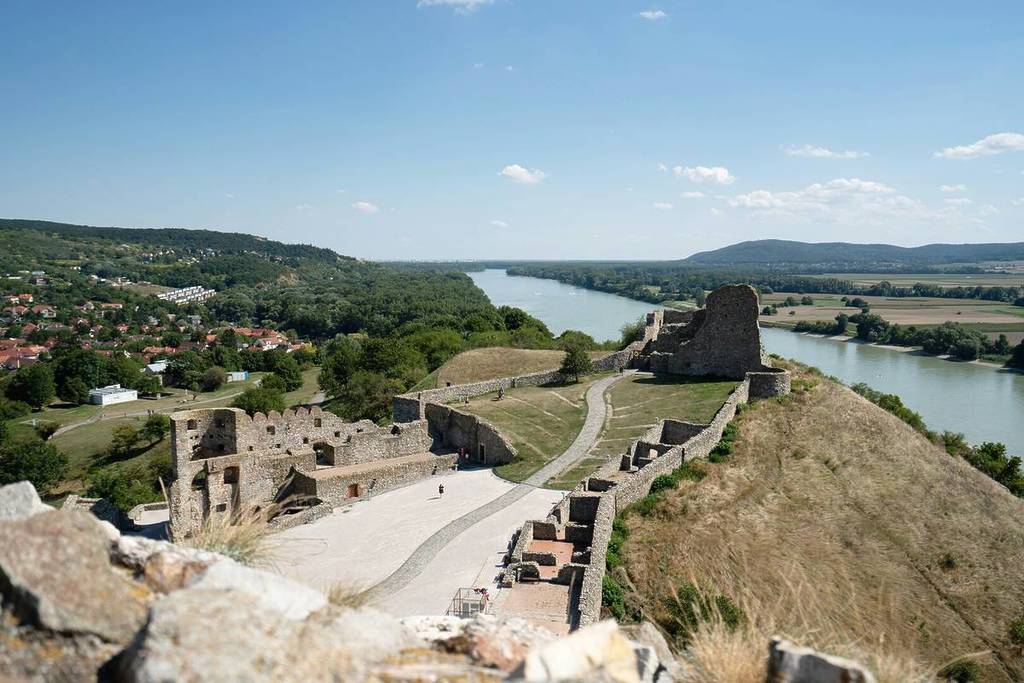

Munich is steeped in history, which is evident at every corner of the state capital. In addition to the famous sights, some subway stations also tell unexpected stories. And those who want to follow in the footsteps of our ancestors even further can find the most impressive finds in the Munich area—from natural monuments such as the Tatzelwurm Waterfall to World Heritage Sites such as the Bayreuth Opera House. Another UNESCO World Heritage Site is not a specific place, but rather a wet border: the Danube Limes is one of the most impressive archaeological monuments in Europe. The river was part of the border of the Roman Empire and stretches for thousands of kilometers. Since 2021, the western part (around Germany, Austria, and Slovakia) has been a UNESCO World Heritage Site.
The “wet” border of the empire
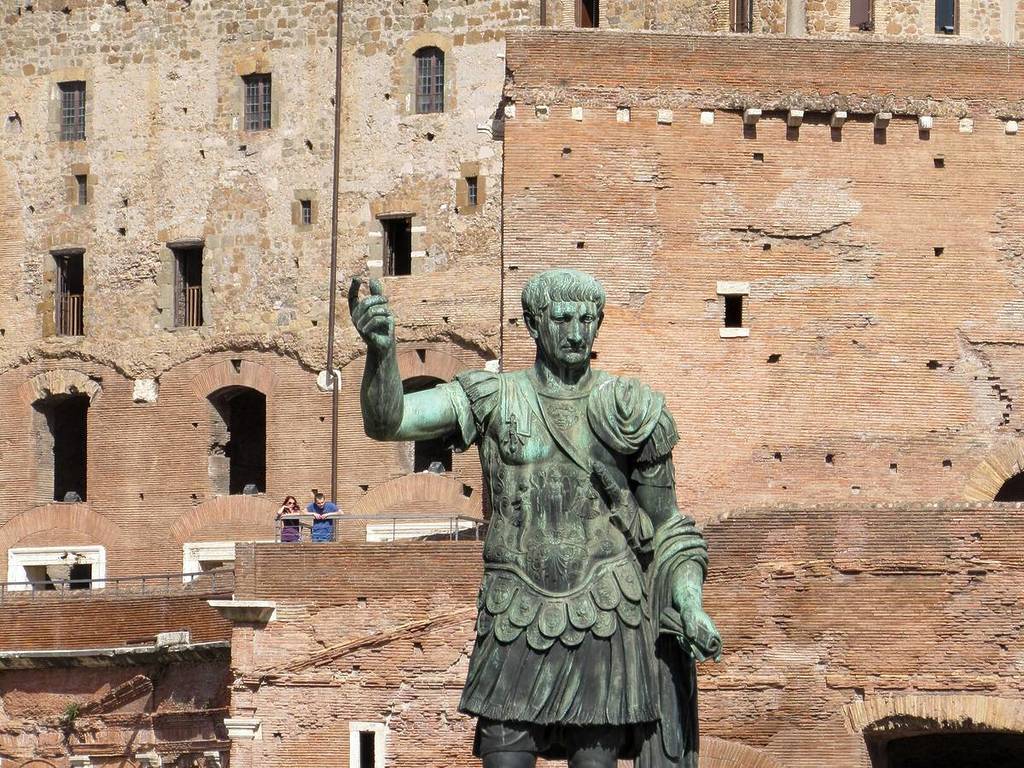
Why build long borders when you can use a river as a natural barrier? In contrast to the Upper Germanic-Raetian Limes, which ran across the country with ramparts and palisades, the Romans simply used the Danube as a border on their western section. The river formed a strategic barrier against the Germanic tribes in the north.
It did not consist of a wall, but rather a chain of forts, watchtowers, and fortified towns directly on the riverbank. At the same time, the Danube was also the most important “highway” of antiquity. Roman fleets patrolled here to quickly deploy troops and conduct trade. Even today, the Danube connects history across national borders – from its source to the Black Sea.
Roman infrastructure under the asphalt
To experience the Danube Limes, you don’t just have to take a walk along the river. Thanks to modern technology, there is a much more exciting way: there are special World Heritage apps that use augmented reality to bring the former forts back to life in their original locations on your mobile phone display. The Limes is not just rubble and ashes.
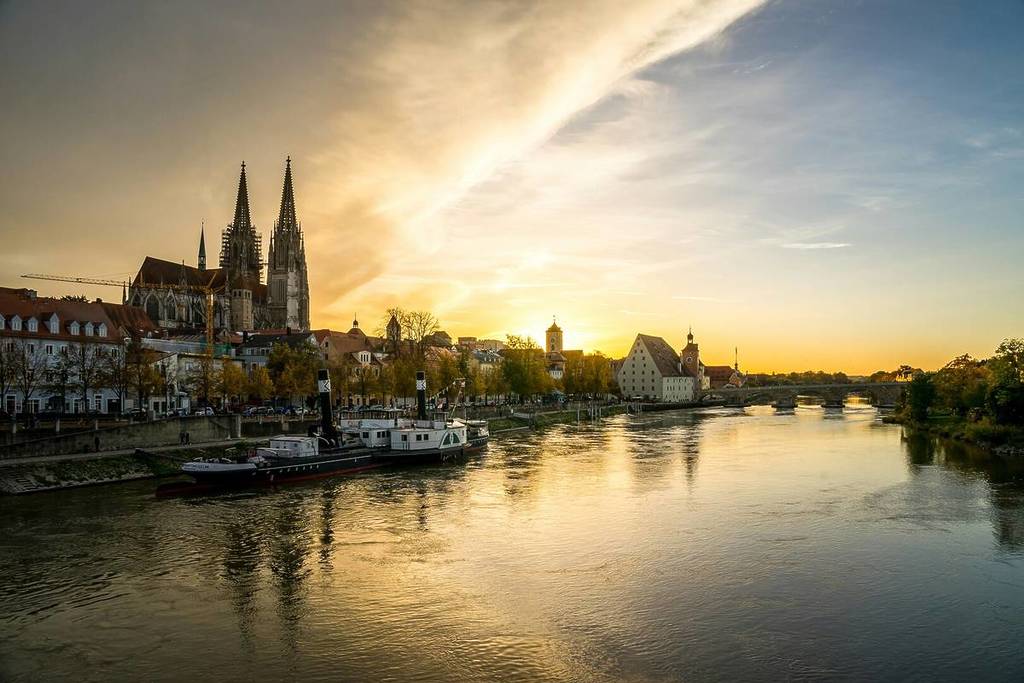
Combine a little history lesson with a bike ride! The Danube Cycle Path runs almost continuously along the former Limes. There are information boards and small ruins everywhere right by the side of the path. A trip to Regensburg, for example, is also worthwhile, as there is a nearly 2000-year-old legionary camp by the river here.
Many modern roads in Bavaria and Austria still follow the exact course of the old Roman Limes road, which connected the forts. In total, the World Heritage Site comprises 77 individual sites consisting of legionary camps, auxiliary forts, small forts, watchtowers, bridgeheads, marching camps, and settlements. The World Heritage website provides an overview of all the sites, museums, and places of interest around the Danube Limes . Follow in the footsteps of history!