Anyone who thinks Christmas is over on December 26 is mistaken. In fact, Christmas Eve marks the beginning of the 12 Nights of Christmas, which last until January 6. There are many legends and customs surrounding these nights, which are still celebrated today. We explain what exactly the Rauhnächte are all about and what you can do in Munich to celebrate them.
The Rauhnächte: between the years
When exactly the Rauhnächte begin and how long they last varies from region to region. For some, they begin on St. Thomas’ Day or midwinter on December 21 and last until New Year’s Day. Elsewhere, the first Rauhnacht falls on Christmas Eve and lasts until Epiphany. Still other regions celebrate only three instead of twelve Rauhnächte.
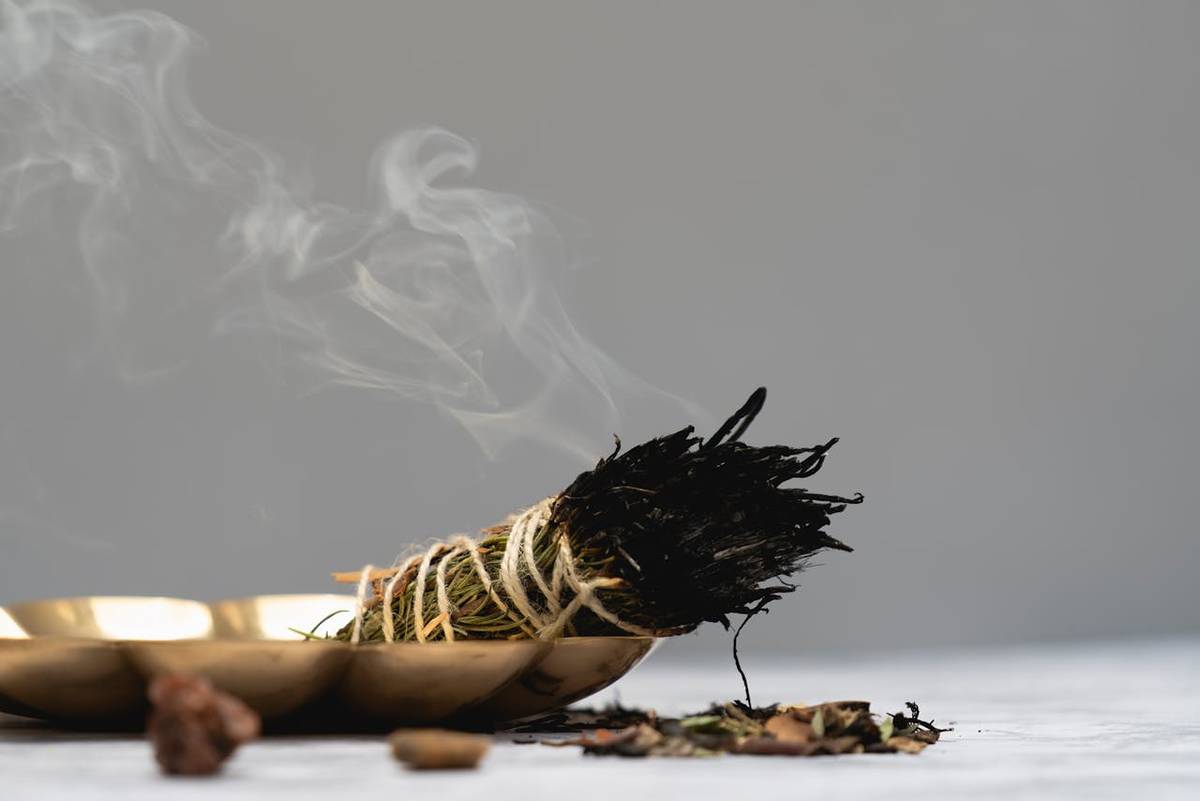
They have their origins in pre-Christian times, before we began to use the Gregorian calendar. The Germanic-Celtic lunar calendar comprises only 364 days, which led to a discrepancy of eleven days and twelve nights. This time between the years was considered magical and the usual laws of nature were suspended. The boundaries between the worlds became blurred, allowing demons and spirits to wreak havoc on earth. These had to be driven away, which is where the Rauhnacht customs come from. The name “Rauhnächte” (Rough Nights) also presumably comes from incense practices that were intended to protect and purify.
Ancient customs
There are numerous customs and practices that originated around the time between the years, some of which are still used today. The Wild Hunt takes place in the middle of the twelve nights, i.e. on New Year’s Eve. On this night, the gate to the Otherworld is open and the souls of the deceased return to earth. Ghosts and demons are up to mischief and want to be driven away – for example with a big, loud firework display.
In Bavaria in particular, we celebrate the Rauhnächte on January 5th. People go from house to house and recite a saying: “Heid is d’Raunacht, wer hods aufbrocht? An oida Mann is over Stiag oigrocha, hod se Birei und Borei brocha! Kropfa out! Kropfa out! Then I’ll poke a hole in the house!” The residents of the house then present the wanderers with doughnuts and small change. Quasi Halloween in Bavarian!
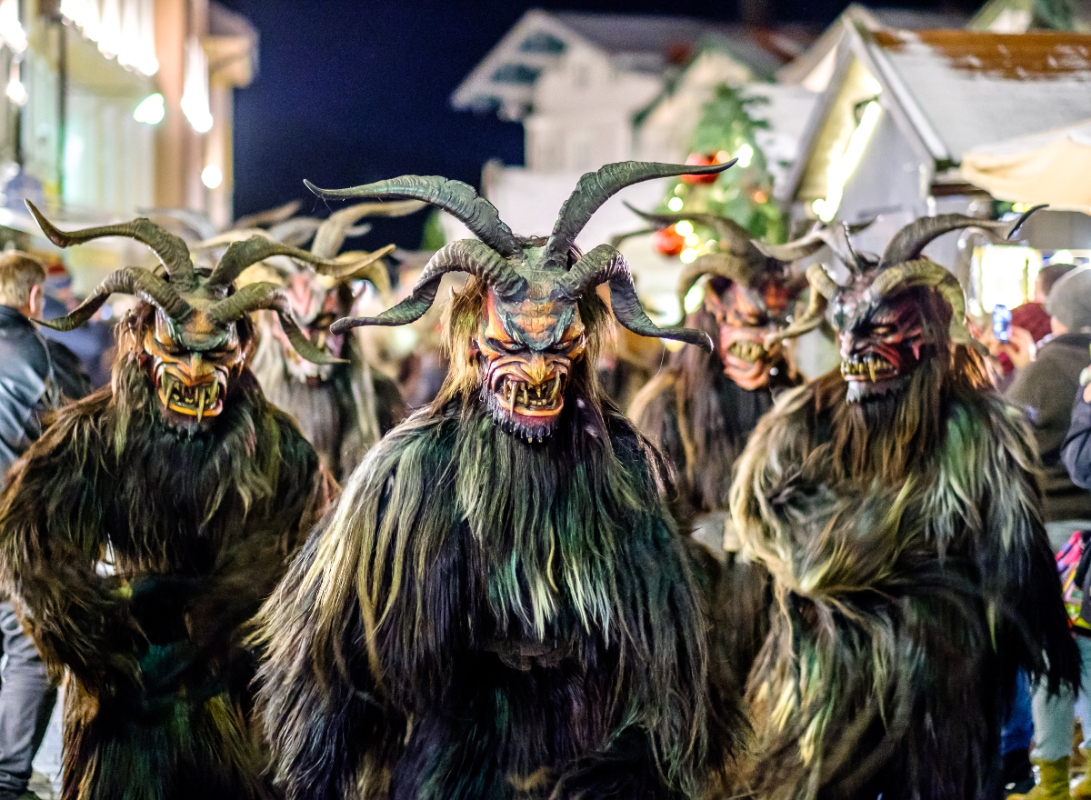
The Perchten also have their origins in the Raunächte. These figures are similar in appearance to Krampus, which is why the customs are sometimes mixed up. There are both good “Schönperchten” and bad “Siechperchten”. The former appear during the day and bring luck and blessings, while the latter are mainly out and about at night. The custom is celebrated with Perchten runs, which are still widespread in Bavaria and Austria today.
The Rauhnächte around Munich
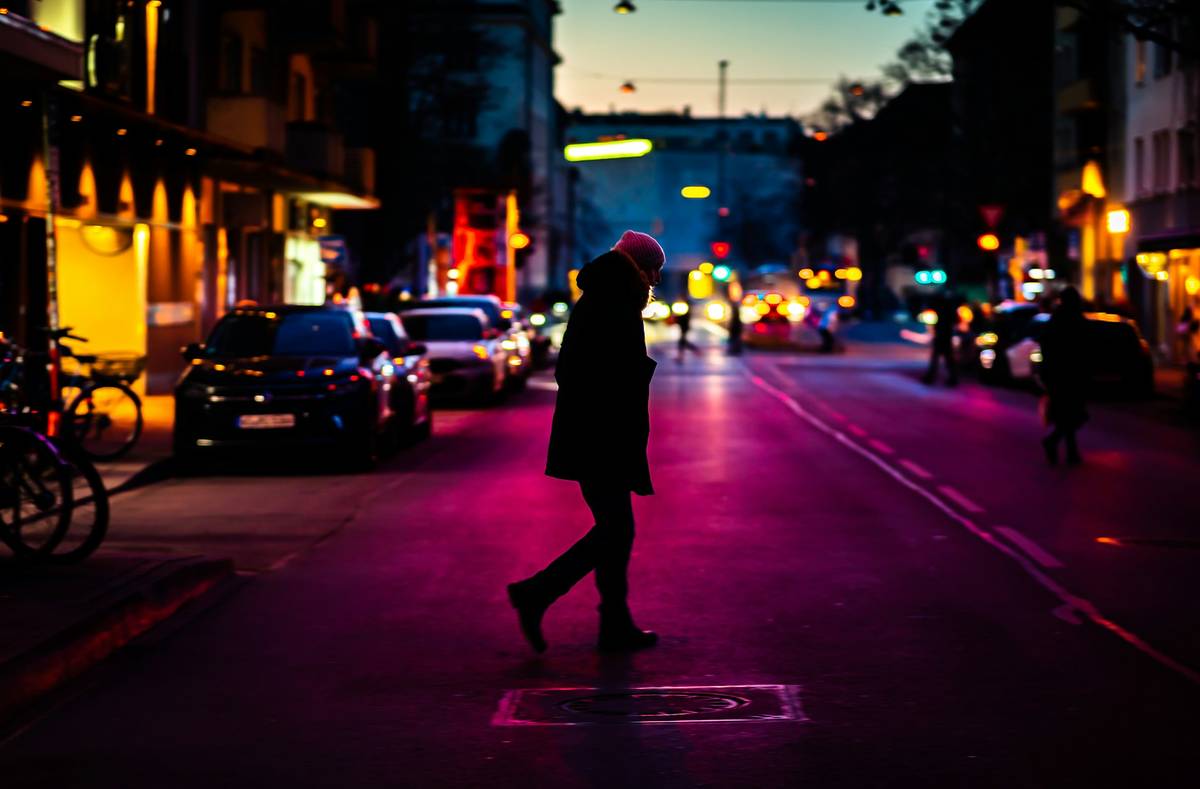
If you want to experience a wintry adventure between the years this year, you can take part in one of the Rauhnach hikes in Fünfseenland. These hikes take place from December 21 to January 6, each with its own theme. The route takes you through the regions of Ammersee, Starnberger See, Garmisch-Partenkirchen with Eibsee and Spitzingsee. Enjoy nature and take part in traditional rituals.
You can also experience the mystical “Bavarian Rauhnacht” by Scharwari once again in Taufkirchen on January 3rd. Be inspired by the musical theater and learn more about the legends of Alpine traditions. Tickets for the “Bayerische Rauhnacht” are available from €28.90.