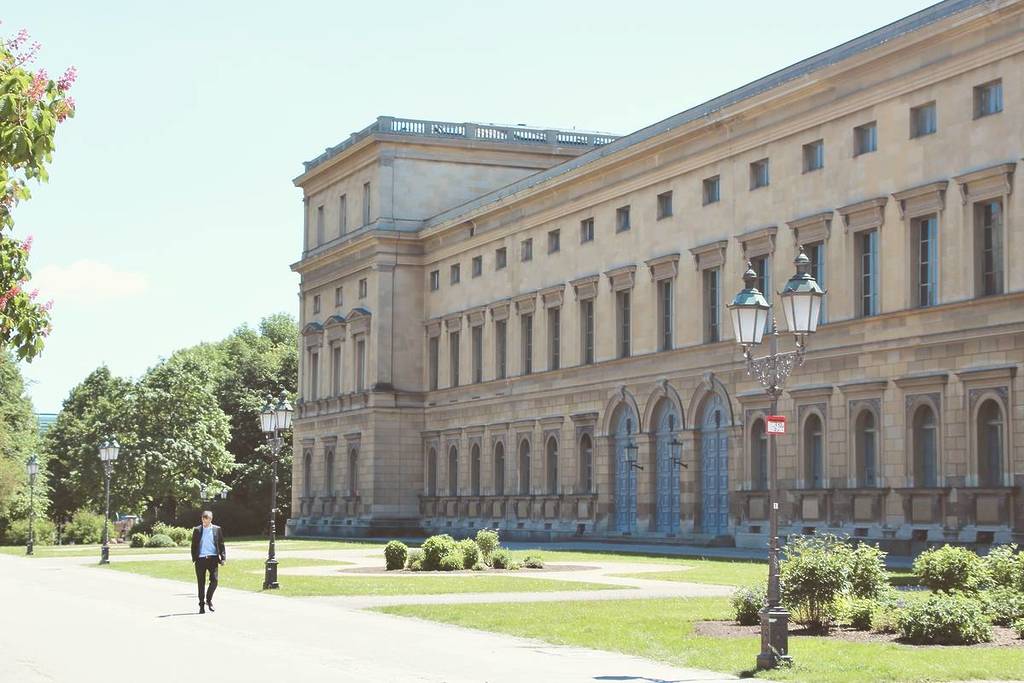
The Wittelsbach residence is located in the center of Munich and is one of the most famous sights in our city. Nevertheless, or perhaps because of this, many locals have never set foot inside the magnificent palace and are therefore unfamiliar with the individual rooms and their histories. Yet behind its walls lie exciting stories, wrapped in impressive art and architecture in the heart of the city. “Heart” is a good keyword, because in keeping with the upcoming Valentine’s Day, the following is intended to be a tribute to love.
The princess from Turin
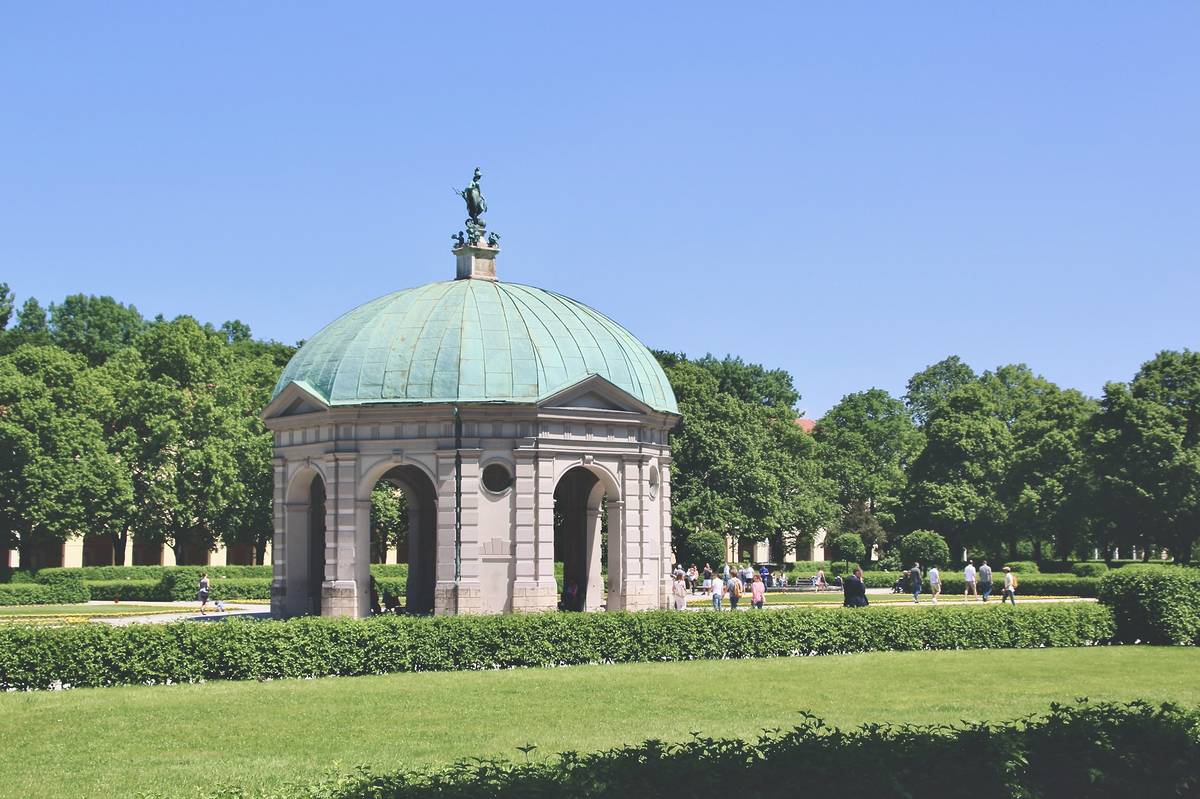 Photo: Stock Birken/Unsplash
At the tender age of just 14, Princess Adelheid Maria of Savoy, who came from Turin, married the Bavarian heir to the throne, Ferdinand Maria, who became Elector the following year. Her mother had actually planned for her to marry the future Sun King Louis XIV, whereas the Bavarian royal family preferred a German-speaking bride. However, Adelheid’s beauty proved convincing, and so the arranged marriage between the two teenagers took place.
At first, Adelheid did not get on well with either the Bavarian court or her new husband. She is said to have complained about his “stupid look,” which was a result of Ferdinand’s short-sightedness. Over time, however, she became his most important advisor, playing a key role in the construction of Nymphenburg Palace and the Theatinerkirche church.
Under her influence, an alliance between Bavaria and France was also formed. She celebrated lavish parties and brought the spirit of Turin to Munich. She ultimately died of a cold she caught while rescuing her children barefoot from the burning residence. She lies in the royal crypt in the Theatinerkirche, her heart and intestines in separate vessels.
Adelheid’s heart cabinet
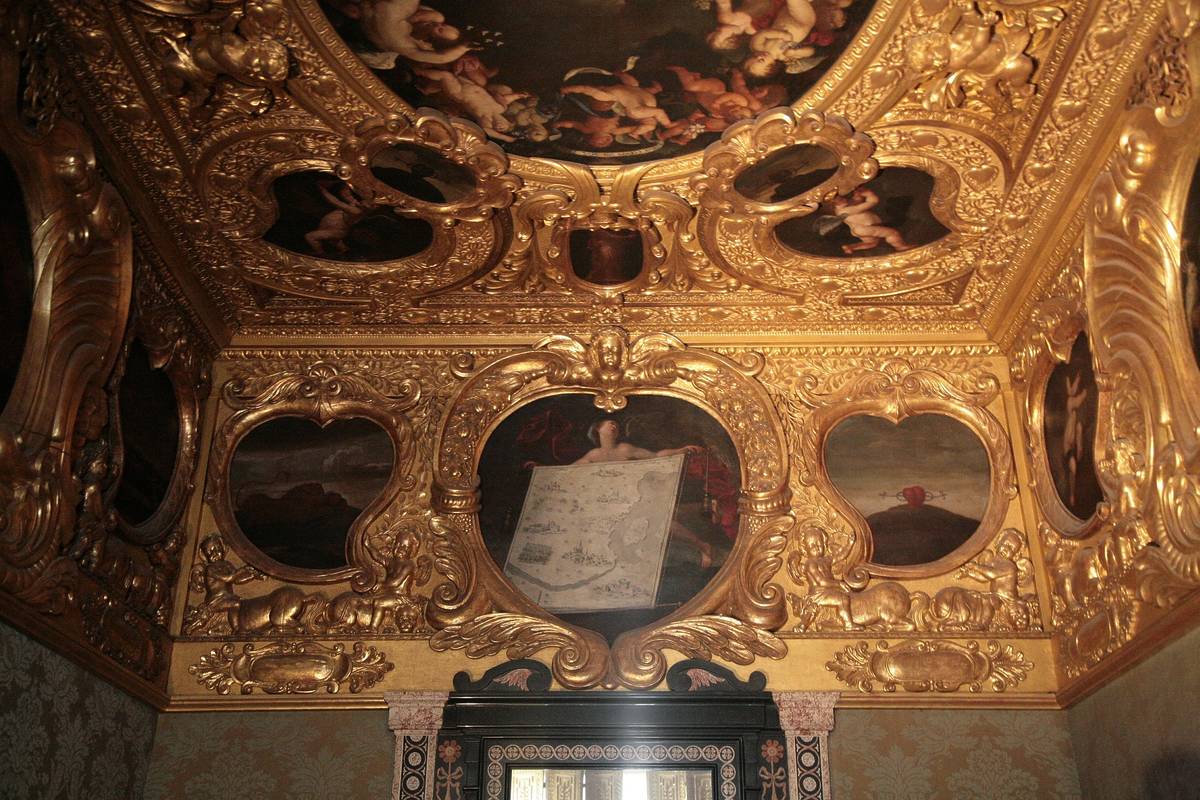 Photo: Stephan Hoppe/Wikimedia Commons, CC SA-BY 3.0
Adelheid had her own apartment in the residence, of which not much remains today. However, one room has survived the passage of time, and its ornate ceiling painting is brimming with symbols of love. In the center, little angels pierce two hearts with arrows, connecting them to each other. They tie a knot of love and carry all kinds of flowers. The corner paintings themselves are framed in the shape of hearts and show more angels carving names into hearts or setting them ablaze. Other symbols include the temple of love and the gate of fidelity on the walls, as well as the map with the land of affection and the forest of lovers.
The heart cabinet was originally only accessible via the bed alcove in the bedroom. The tiny room illustrates the complexity of love. It consists not only of deep affection, but can also mean pain. The works of art in the Heart Cabinet appeal to people to curb their passion and live a virtuous love based on reason. However, Adelheid’s Heart Cabinet is also a tribute to her bond with her husband Ferdinand Maria, with whom she achieved this ideal.
During your visit to the residence, you can take a look inside the tiny heart chamber and draw your own conclusions from the paintings and decorations on display there. You could also plan a date here with the Heart Cabinet as a romantic backdrop for your togetherness.