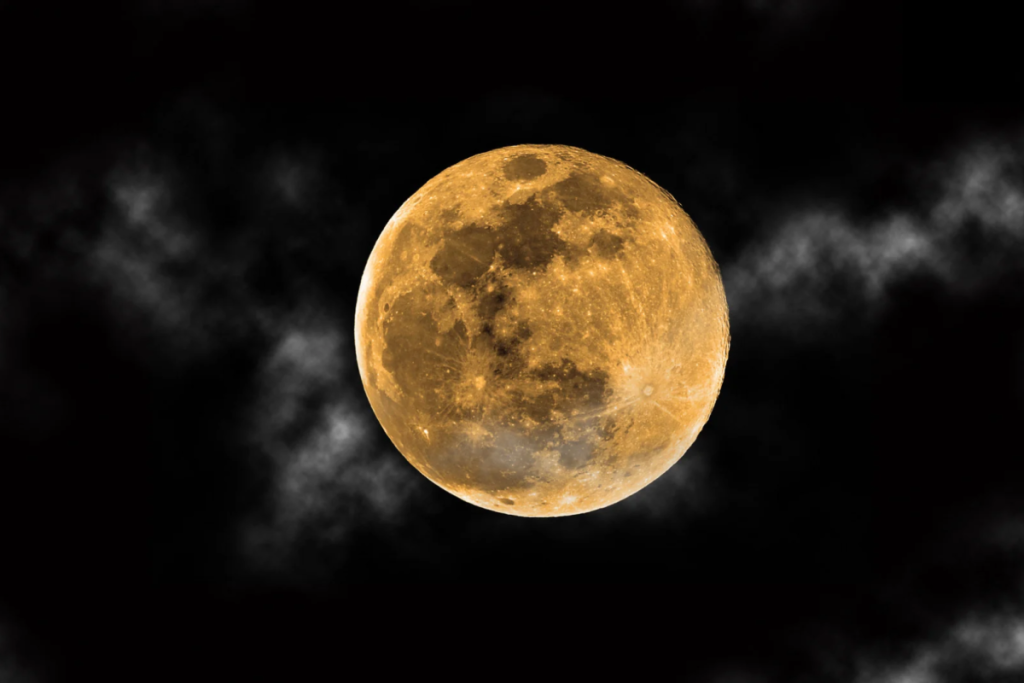

This year, one astronomical event follows another: After the partial solar eclipse in August, the bright Harvest Moon is now on its way. On Saturday, September 26, 2026, a special natural spectacle awaits you in the night sky over Munich as the next full moon makes its appearance. Starting at 6:43 p.m. on Saturday evening, the radiant full moon will rise in the east. But this astronomical phenomenon not only offers an impressive view—it also has some very interesting, centuries-old names. We’ll tell you why this full moon tells a very special story !
More than just a beautiful sight: The special significance the Harvest Moon used to have
Have you ever wondered where the special names for the different full moons actually come from? In the past, the phases of the moon served as an indispensable guide for people in their daily lives, helping them estimate periods of time and the constant change of the seasons without calendars or clocks.
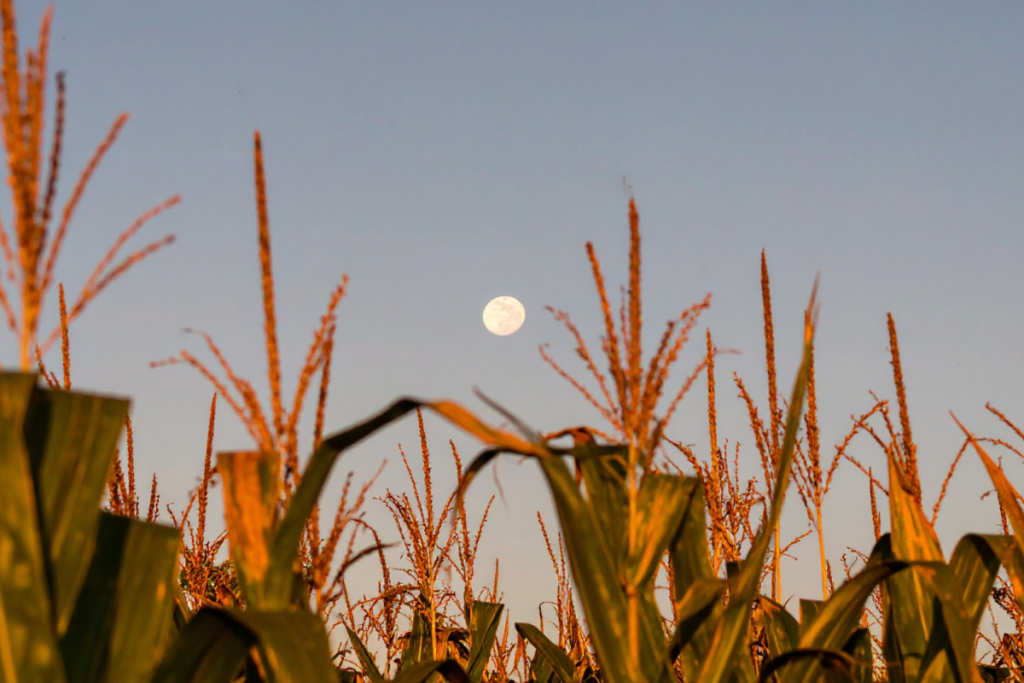
The name “Harvest Moon” has a very practical origin: Since the September full moon occurs close to the autumnal equinox, the nights become noticeably longer from that point on. Because the moonlight reliably illuminated the fields, farmers were able to seamlessly continue their harvest work even after sunset. It was precisely this practical assistance that earned the September full moon its distinctive name.
The variety of names also shows just how closely people were connected to nature in the past. The name “Corn Moon, ” for example, originally comes from North America and refers to the corn harvest season. The name “Autumn Moon,” on the other hand, simply marks the seasonal transition to the beginning of fall.
The best way to see the full moon is no secret: Avoid places with a lot of light pollution and look toward the east. Whether you’re watching the glowing moon during a nighttime walk along the Isar or enjoying it from a viewpoint on Olympiaberg, grab your loved ones, find a nice spot with the best view on Saturday , and enjoy the magical spectacle!