Admittedly, Munich doesn’t have any bridges with waterfalls or 3D-printed bridges. Nevertheless, we have our own bridge highlight, on which many a romantic date has certainly been spent. The Hackerbrücke is one of our favorite sunset spots in Munich. In the warmer months, Munich locals gather here to sit on the crossbeams with a snack and wine and enjoy the sunset – better than any roof terrace! In 2026, you should enjoy the summer here even more, because from mid-2027, the bridge will be renovated and only half of it will remain accessible. It is not yet clear whether cars will return to the bridge after the renovation or not.
A historic level crossing in Munich
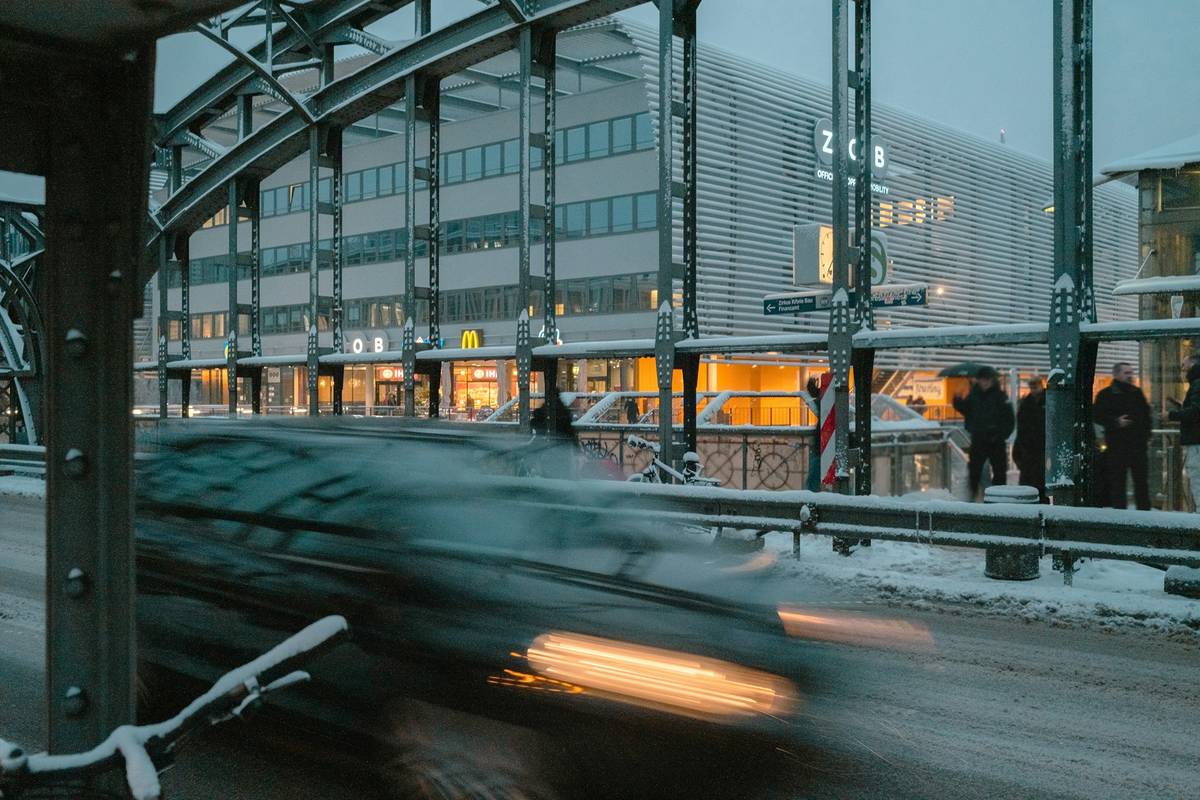
The Hackerbrücke has already been standing on its arches for over 130 years. It opened in 1894 and has been the successor to the Herbststraßenbrücke ever since. It owes its name to the Hacker brewery, which was based in Bayerstrasse until 1980. The bridge is 180 meters long, made of wrought iron and has six 8-meter-high arches, which give it its characteristic appearance.
In fact, the Hackerbrücke is one of only a few wrought-iron arch bridges in Germany from the 19th century that are still preserved today. It was partially destroyed during the Second World War and had to be rebuilt true to the original. A major renovation took place in 1984, during which the construction of the bridge also remained unchanged.
Until the 1970s, the Hackerbrücke was of central importance when crossing the railroad line by car, as it was one of the few bridges close to the city center that made this possible. After the construction of the Mittlerer Ring and the Donnersberger Brücke, the situation eased. The bridge has also been a listed building since 1973. During the Wiesn, the Hackerbrücke is closed to cars, as many guests swarm from the S-Bahn to Theresienwiese and back.
Renovation of the Hackerbrücke for 50 million euros
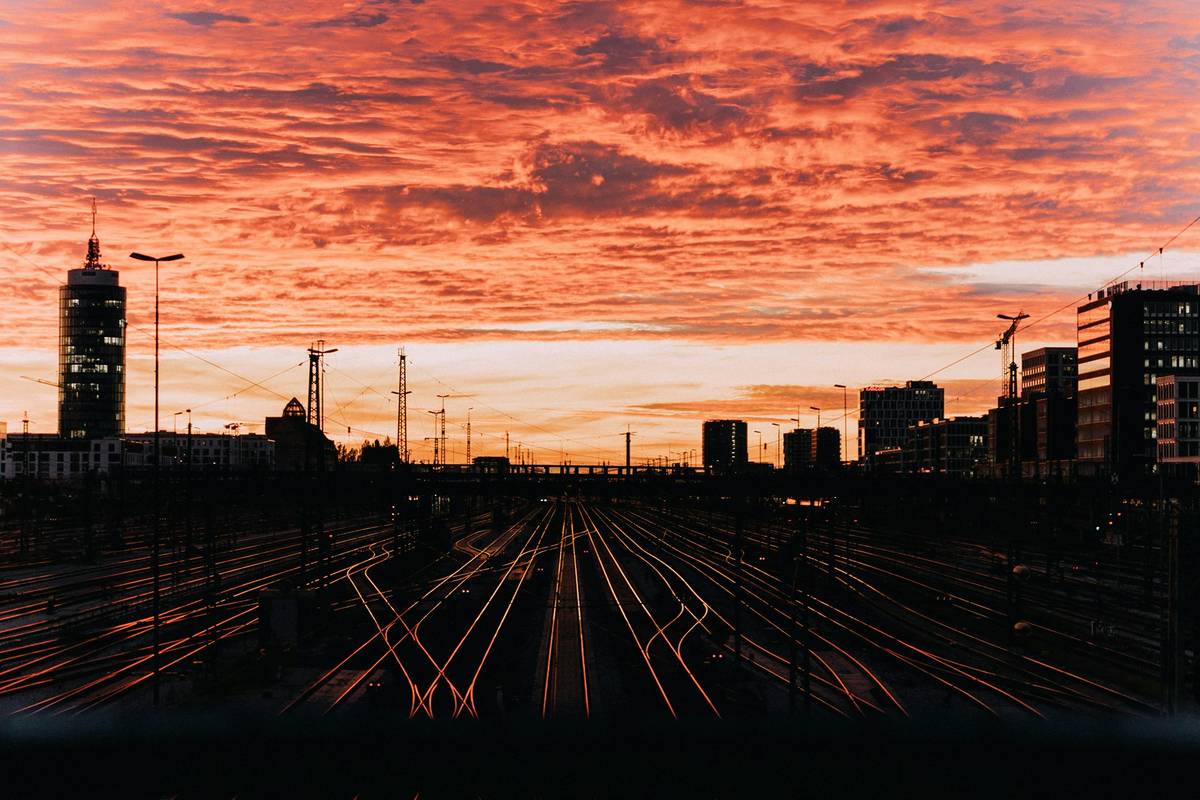
The Hackerbrücke is not only an important level crossing, but has also become an absolute hotspot in summer. In the evenings, Munich residents sit on the crossbars along the pedestrian path below the high arches and watch the sun set over the railroad tracks. From mid-2027, the bridge will be closed until 2030 for renovation work, which is expected to cost around 50 million euros. The plan is to renovate the bridge in two sections so that one half can remain open for pedestrians and cyclists. So you won’t have to do without the Hackerbrücke completely, but the spaces will become scarcer and possibly more competitive for this time.
Cars, on the other hand, will no longer be able to cross the bridge during the construction work. Whether they will return afterwards has not yet been decided. The city is open to the idea, but initially wants to monitor traffic during the closure. Supporters of the closure argue that the footpaths on the bridge could be widened, benches placed and even planters installed. Instead, cars should drive permanently over the Donnersbergerbrücke.