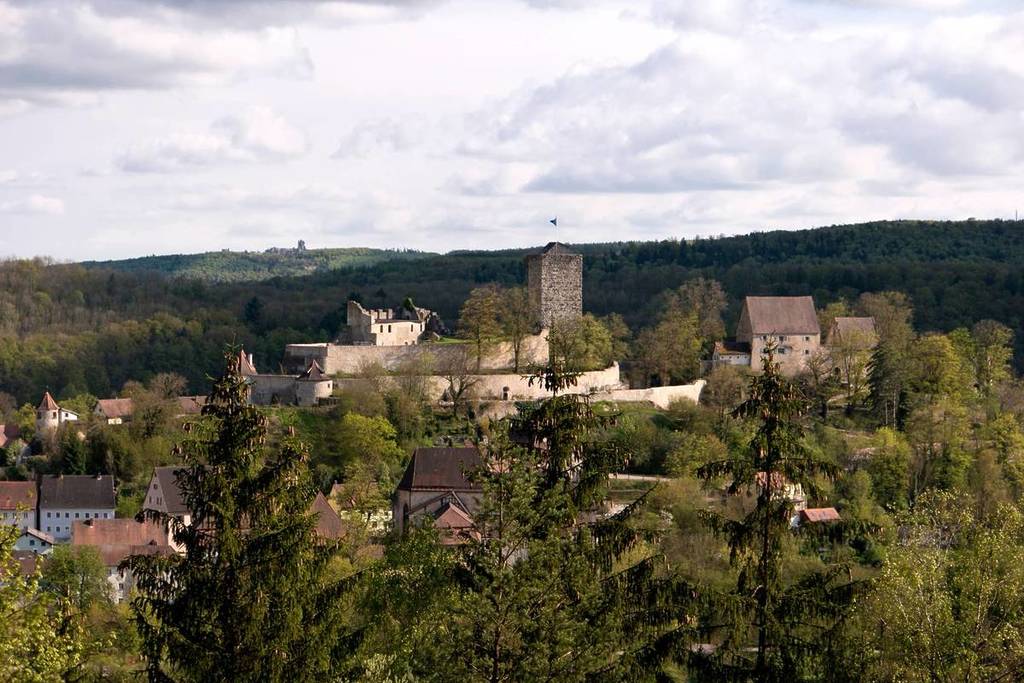

Bavaria’s towns and villages are brimming with history, yet very few can claim to have been immortalized in a proverb. The situation is different for the small Middle Franconian town of Pappenheim, which, thanks to Friedrich Schiller, is literally on everyone’s lips. Nevertheless, many people are likely unaware that this place actually exists. Yet there is plenty to discover in this tranquil town.
The famous saying
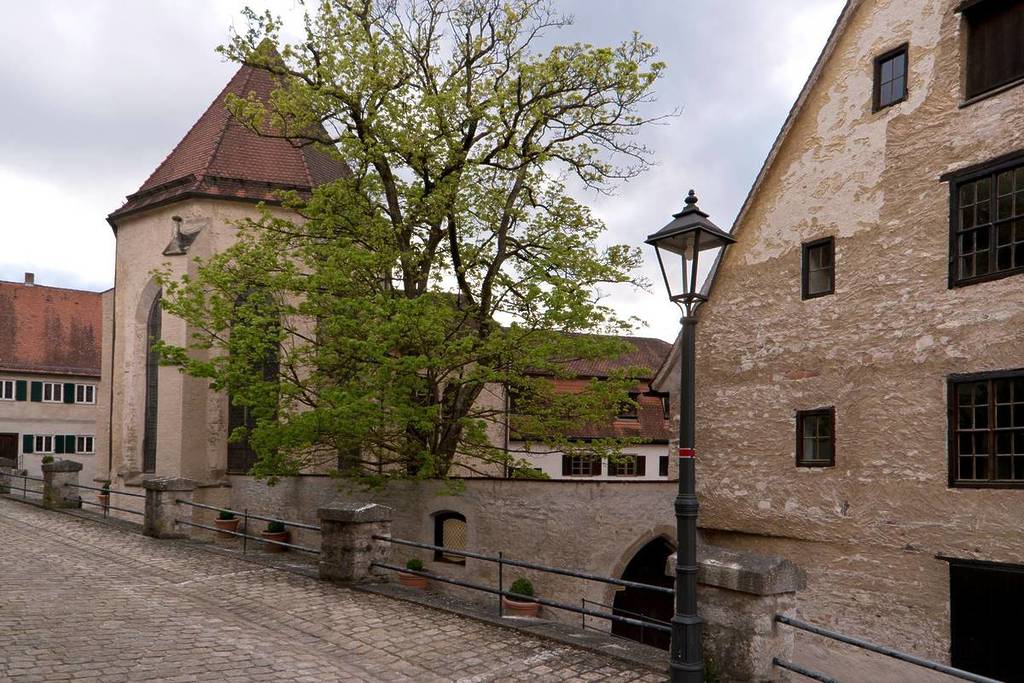
Pappenheim Castle was built around 1030, though the surrounding area had already been settled earlier. Later, it was elevated to the status of a royal seat, granting it certain privileges. During the Thirty Years’ War, the Swedes eventually besieged the town and managed to capture it. As part of this, the castle was also surrendered. In the following century, Friedrich Schiller wrote his Wallenstein trilogy, which is set during this period.
In the last of the three books, “Wallenstein’s Death,” Wallenstein allies himself with the Swedes, to whom he promises Prague. As rumors of the betrayal begin to circulate, a group of soldiers from the regiment of Gottfried Heinrich Graf zu Pappenheim approaches Wallenstein to verify the truth of the rumor. They want to see for themselves that it is not true. Wallenstein then says appreciatively: “That’s how I recognize my Pappenheimers!”
They had trusted Wallenstein and were betrayed, which is why they later turned away from him. Presumably, this is the origin of the proverb’s modern meaning , which primarily expresses mistrust.
Don’t miss any more highlights—follow us on Instagram and Facebook!
Sights in Pappenheim
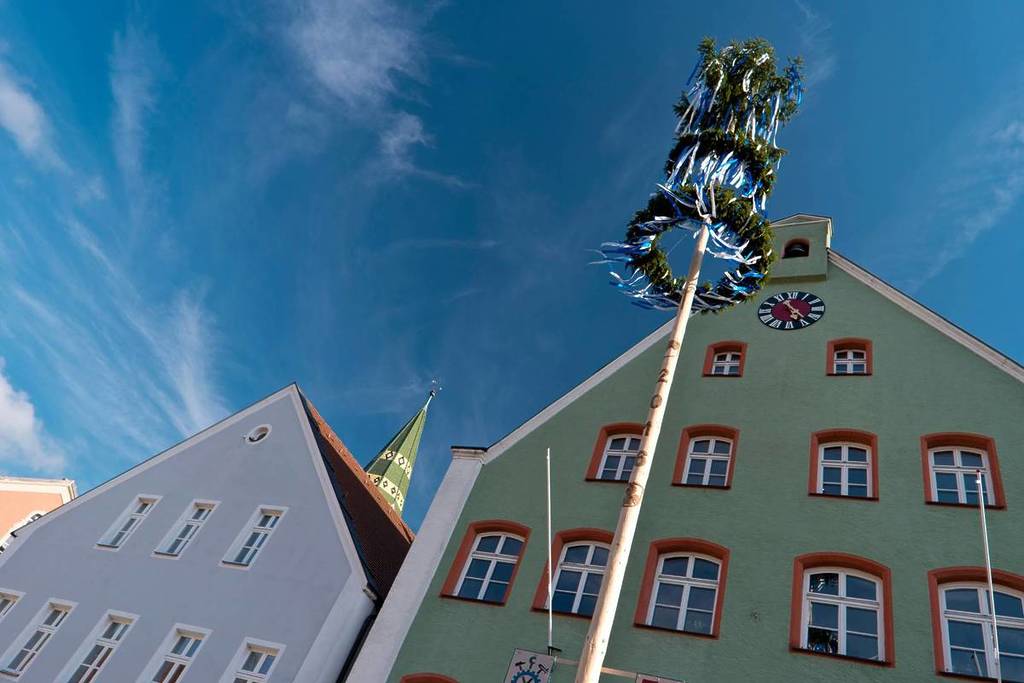
If you’ve only ever heard of Pappenheim in passing, then it’s high time you paid the town a visit in person. In addition to the castle complex with its imposing keep, the Old Castle is also worth a look. It was built after Wolf Christoph zu Pappenheim decided in the 16th century that the castle was no longer a suitable residence. It combines elements of Gothic, Baroque, and Neoclassical styles and features beautiful gardens.
The New Palace, on the other hand, is a Neoclassical building designed by Leo von Klenze at the beginning of the 19th century. It is located in the well-preserved old town, which is completely surrounded by a bend in the Altmühl River . You should also visit the Altmühl Valley itself if you get the chance, for example to stop by the Tatzelwurm Bridge, which winds through the landscape like a dragon.