
Munich has many beautiful parks that invite you to take a break surrounded by greenery. The large parks in particular, such as the English Garden or Westpark, are bustling with visitors and offer plenty of space for all kinds of activities. Sometimes, however, it’s precisely the small, lesser-known gardens that hold a special charm and offer peace and quiet away from the hustle and bustle. If you’re looking for a place like that, then the Dichtergarten is the perfect spot for you. Very few people ever find their way here, despite its central location.
One Park, Many Faces
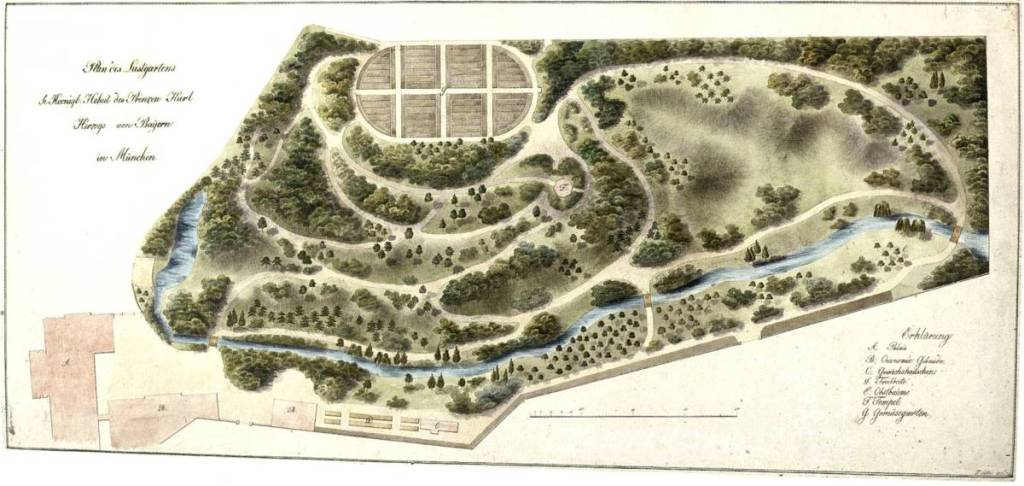
Originally, the site of the Dichtergarten was part of a rampart belonging to Munich’s third city wall, north of the Residenz. After the end of the Thirty Years’ War, however, the city no longer needed this bastion, and so in 1665 the area was converted into a kitchen garden for the Theatine monastery. At that time, it was therefore known as the Theatinergarten. With the secularization of 1802, the monastery was dissolved and the garden was put up for sale. Minister of State Abbé Pierre de Salabert acquired it along with the surrounding properties and had a palace built adjacent to the Dichtergarten, where Prince Carl later lived and kept his pleasure garden.
From the end of the 19th century, the Prinz-Carl-Palais served as the residence of the Bavarian Minister of Finance, which is why the park became known as the Finanzgarten. However, it took quite a while before it was opened to the public: The grounds have only been a public park since 1984 and have been called the Dichtergarten ever since. It received its new name because it features statues of poets who have a connection to Munich.
Exploring the Dichtergarten
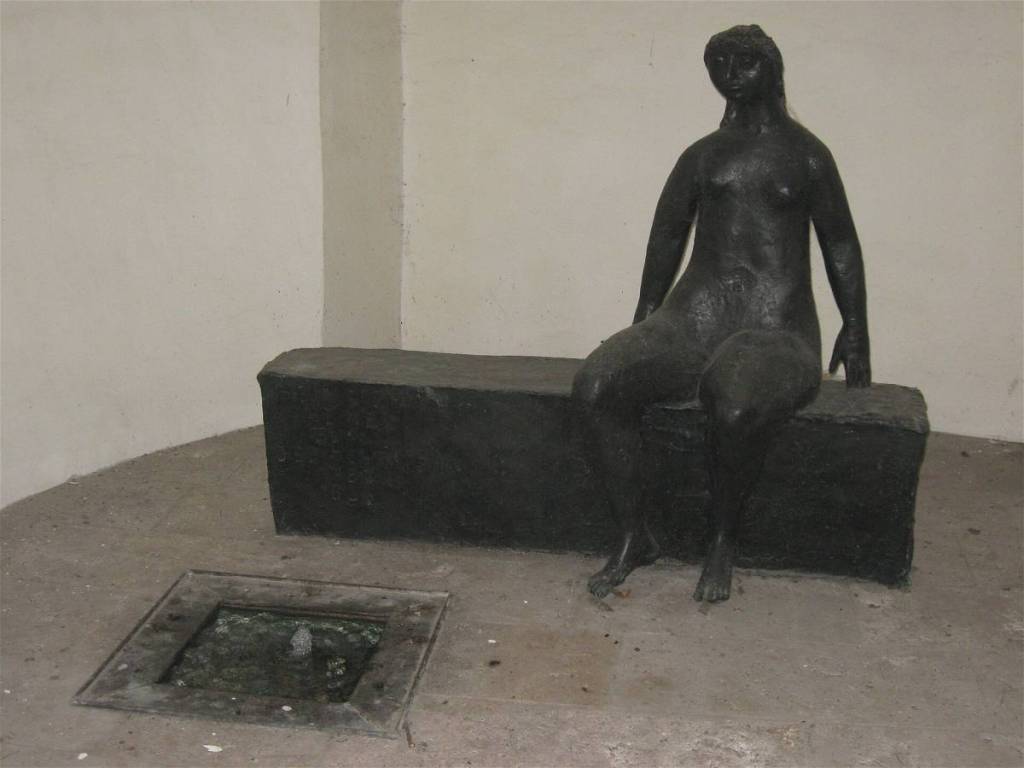
At just 2 hectares, the Dichtergarten isn’t particularly large, but there’s still plenty to see here. The former bastion is still visible today as a slight elevation. Winding paths lead you through the wooded area and up the hill, giving the park a wild, romantic feel. There are currently four statues here, most notably that of Heinrich Heine, who has his own grotto here on the hill. He sits here as a bronze sculpture by a fountain. The grotto was originally part of a garden pavilion that Salabert had built.
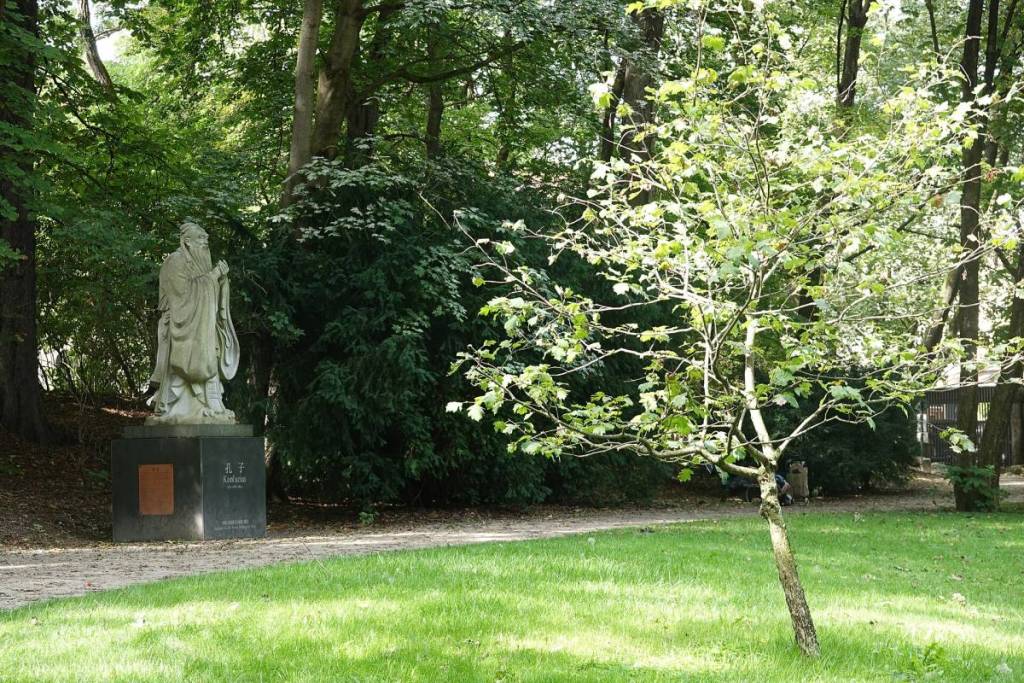
Two other bronze statues are those of the Russian poet and philosopher Fyodor Ivanovich Tyutchev and the composer Frédéric Chopin. Since 2007 , Confucius has also had a place in the Poets’ Garden, a gift from the Chinese city of Shandong to Munich to mark the 20th anniversary of the partnership between the two cities. More statues are set to follow in the future. The Poets’ Garden is located between the Hofgarten of the Residenz and the English Garden, and despite this prominent location, even many locals are unaware of it. So if you’re looking for some peace and quiet away from the hustle and bustle of the city center, the Poets’ Garden—along with the Kabinettsgarten —is the perfect retreat.