
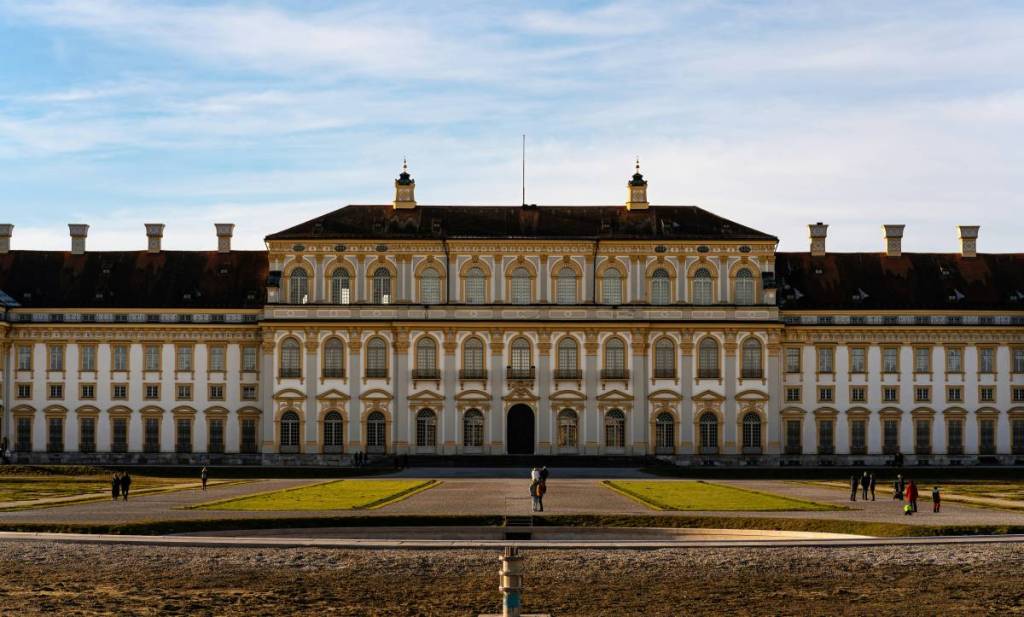

What Max Emanuel planned here, north of Munich, was to be far more than an ordinary stately residence. In anticipation of becoming emperor, the Elector wanted to use the four-winged complex to architecturally symbolize his claim to European power.
The scope of the project was correspondingly ambitious: According to the Bavarian Palace Administration, the project was even intended to “set standards across Europe.” Today, the magnificent complex still gives a sense of the scale this plan once had.
On a day trip to Schleißheim Palace, you can explore the three palaces and the Baroque garden , as well as enjoy concerts, Baroque festivals, and special guided tours. The candlelight concerts are particularly atmospheric, with ensembles such as the BPM String Quartet performing surrounded by hundreds of candles.
How the Exile of 1704 Put an End to the Palace Dream
Construction began in 1701—but just a few years later, the project took a dramatic turn. Following his defeat in the War of the Spanish Succession, Max Emanuel was forced into exile in 1704, and work came to a standstill.
When the Elector returned to Bavaria, the financial resources were no longer sufficient to fully realize his original vision. An impressive testament to this has been preserved to this day: Inside the palace, a nearly six-meter-long model from 1725 shows what the never-completed complex was once intended to look like.
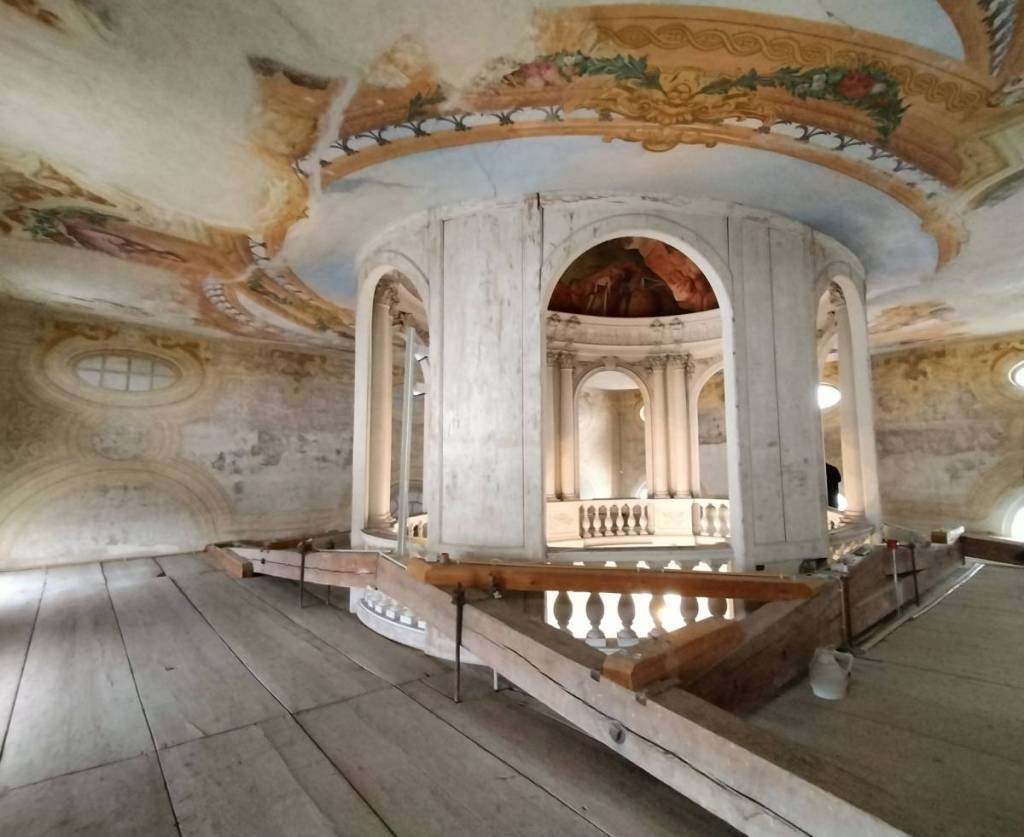
If you’d like to learn more about the complex’s history, you can take part in selected themed and special guided tours —ranging from Max Emanuel’s palace plans to Baroque architecture. Some tours even take you behind the scenes and up into the attic of the New Palace. Private tours can be booked for groups, while individual visitors can also explore the New Palace with an audio guide.
All the important information for your visit
📍 Location: Schleißheim Palace Complex, Max-Emanuel-Platz 1, 85764 Oberschleißheim
🎟️ Admission: The combined ticket costs 11 euros in 2026(reduced rate: 9 euros) and includes the Old Palace, the New Palace, and Lustheim Palace. Those who wish to visit only the New Palace pay 7 euros. Children and teens under 18 are admitted free of charge.
🎧 Audio Guide: An audio guide for the New Palace is available for a fee in German, English, Italian, and French.
🏰 Good to know: The Schöne Stall and the Renatus Chapel at Lustheim Palace can be visited free of charge.
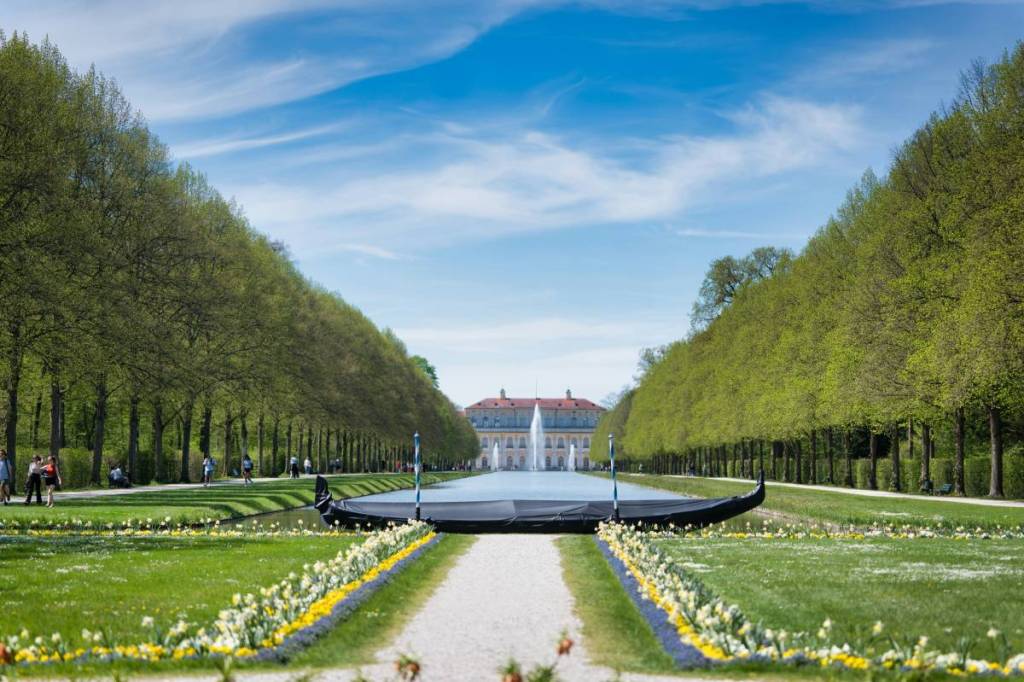
🌳 Our tip: In addition to visiting the palace, be sure to set aside some time for a stroll through the expansive Baroque gardens—especially when the weather is nice, it’s worth exploring more than just the interiors.
So: Hop on the S-Bahn and head out of Munich—the once-planned “Bavarian Versailles” is closer than you might think.
