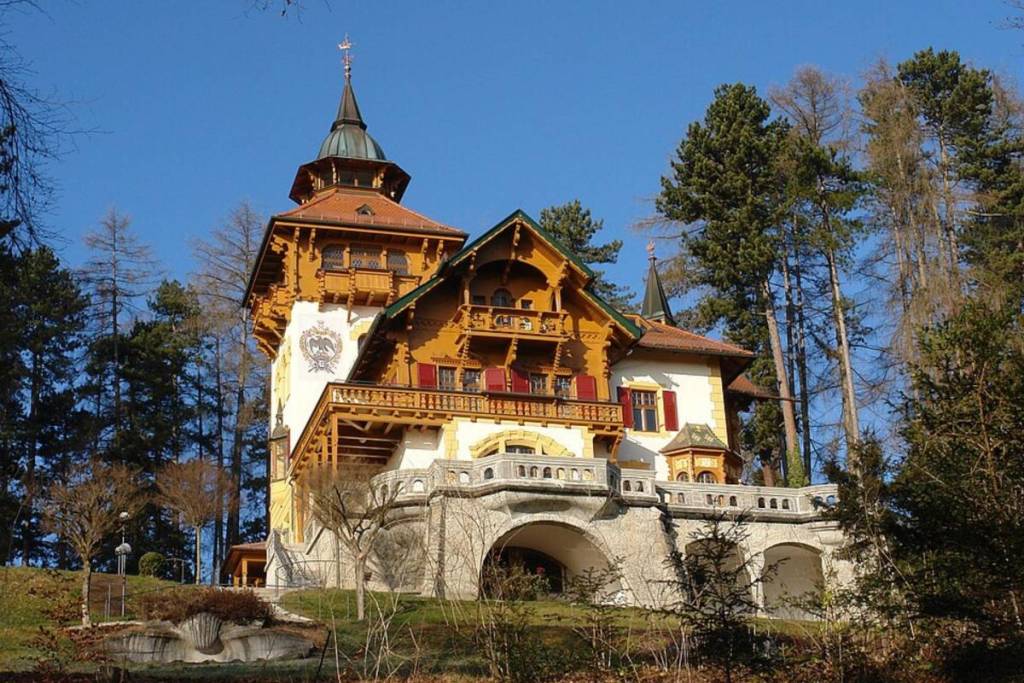

If you’re traveling along the western shore of Lake Starnberg and looking for places that uniquely combine history and creative spirit, you should turn your gaze toward the hills of Feldafing. Just about 45 minutes by S-Bahn from the Bavarian capital, the historic Villa Waldberta estate is nestled within a sprawling grounds. The imposing historicist-style building with its striking tower now serves as the City of Munich’s international artists’ residence. It offers creative professionals from around the world not only temporary housing but, above all, the time and tranquility to work on innovative projects far from the hustle and bustle of the big city.
An eventful past: From summer residence to refuge to state visits
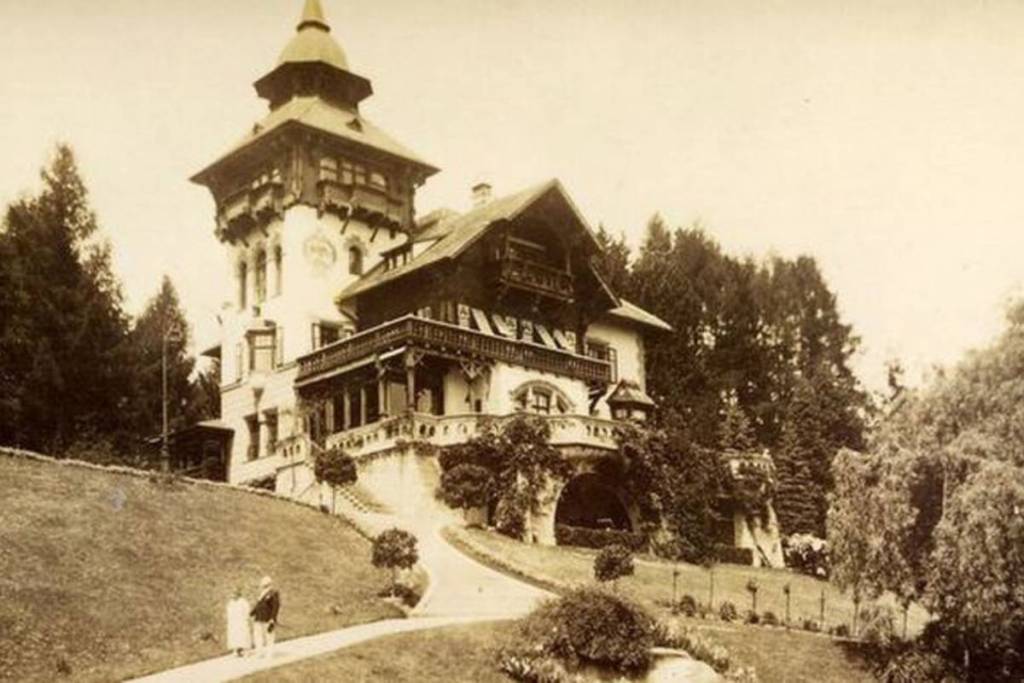
Behind the walls of the tower villa lies a multifaceted history. Originally built around 1901–02 under the name Felsenheim for Bernhard Wilhelm Schuler in the villa colony on the Höhenberg, the estate was later redesigned by publisher Albertus Wilhelm Sijthoff. The house owes its current name to the German-American couple Bertha and Franz Koempel, who used it as a summer residence beginning in the mid-1920s. For decades, the estate served as a cosmopolitan gathering place for art collectors, patrons, and writers.
After dramatic upheavals during World War II, the house served at times as a reserve military hospital and later as a refuge for liberated concentration camp survivors. The property was later transferred to the City of Munich through a foundation. During the 1972 Summer Olympics, even German Chancellor Willy Brandt stayed here, hosting international guests such as Georges Pompidou and Henry Kissinger at the estate.
Villa Waldberta as an Artists’ Residence on Lake Starnberg
Since 1982, this historic residence has been fully dedicated to creative production. Today, the city’s artist-in-residence program hosts guests from the visual arts, literature, and cultural studies. Equipped with apartments, studios, and a protected park area, the residency program allows for stays of up to three months on average. To qualify, applicants must reside outside Bavaria and be actively involved in projects with Munich-based institutions or the independent cultural scene. What makes this concept unique is that, rather than demanding a perfect final product, the program emphasizes an open-ended creative process. This fosters a sustainable exchange between international creatives and Munich’s cultural scene.