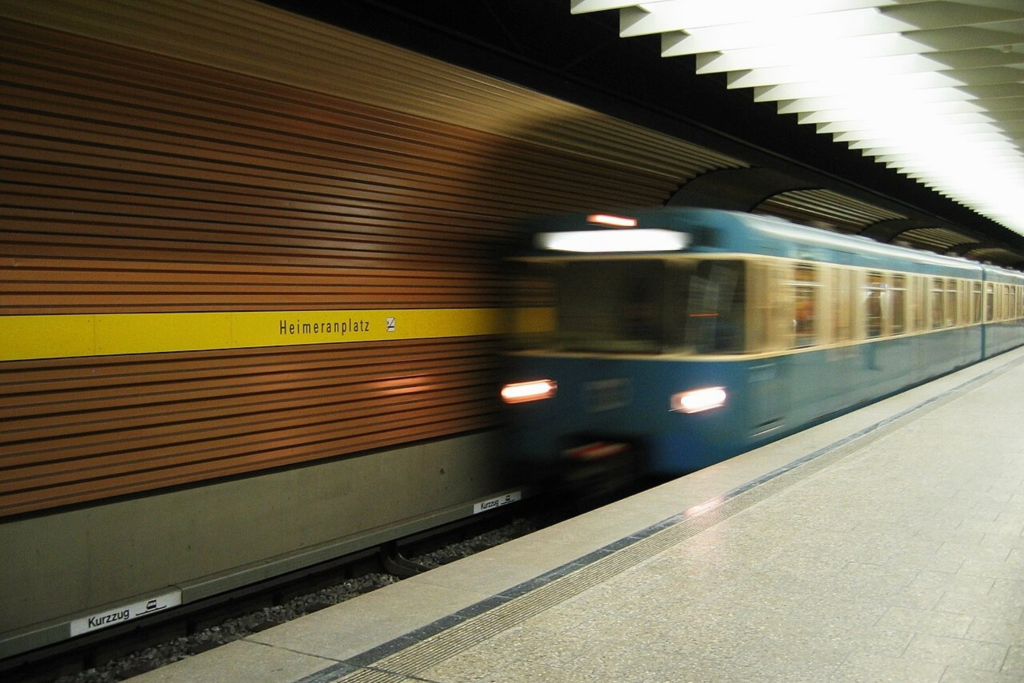

Anyone traveling in Munich naturally takes the subway to get from A to B quickly and comfortably. But what is now part of everyday life for millions of locals and visitors was still just a pipe dream just a few decades ago. The transition from above-ground traffic chaos to an underground network began with a 12-kilometer-long subway line that opened in 1971 in time for the Summer Olympics.
How the Olympics Kicked Off the Munich Subway
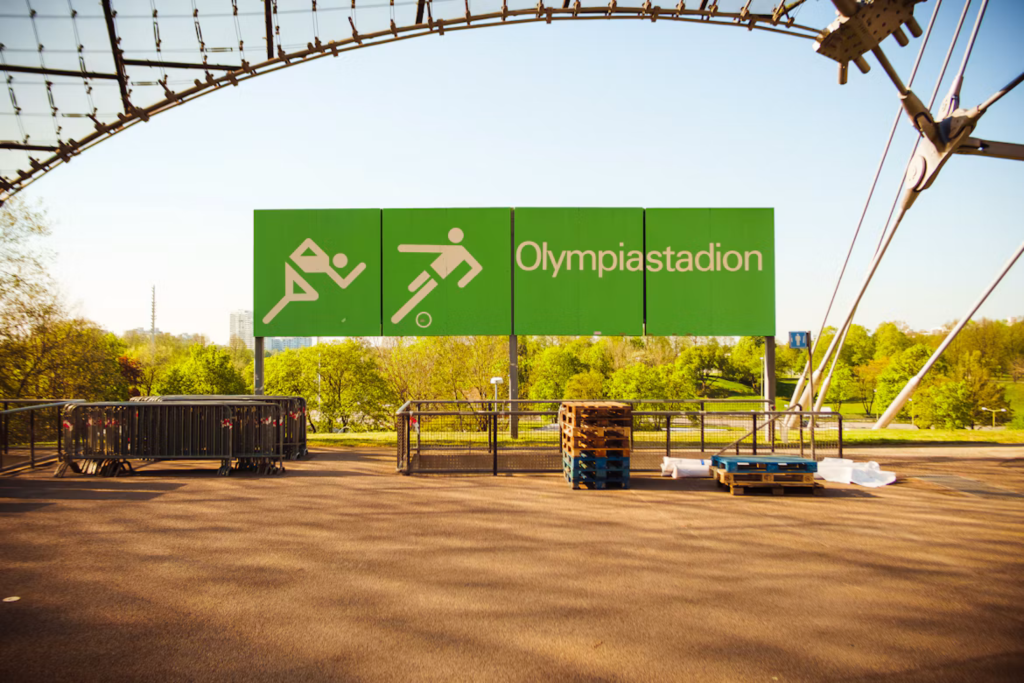
Work on a tunnel between Goetheplatz and Sendlinger Tor began as early as 1938 , before World War II brought the project to a halt. The actual starting signal for today’s subway system was finally given in February 1965 with the groundbreaking ceremony at Nordfriedhof. However, the decisive boost came when Munich was awarded the 1972 Summer Olympics . Due to the sporting event, the planned construction period had to be shortened without further ado from over 12 years to just 6.5 years.
On October 19, 1971, the moment had finally arrived: the first section between Kieferngarten and Goetheplatz went into operation. It was designated the U6, as it partially replaced tram line 6, and served a 12-kilometer network. Just under half a year later, the U3 followed, right in time for the Games. Today, the network is operated by the Munich Transport Authority (MVG), spans over 103 kilometers with 96 stops, and carried an impressive 452 million passengers in 2024, for example.
In addition to its functionality, the network is also visually striking in some places. The iconic, bright orange of the Marienplatz station remains a real eye-catcher to this day, while the huge light installations at the Westfriedhof station are a well-known photo spot in the city.
These Are the Major Future Projects for the Munich Subway
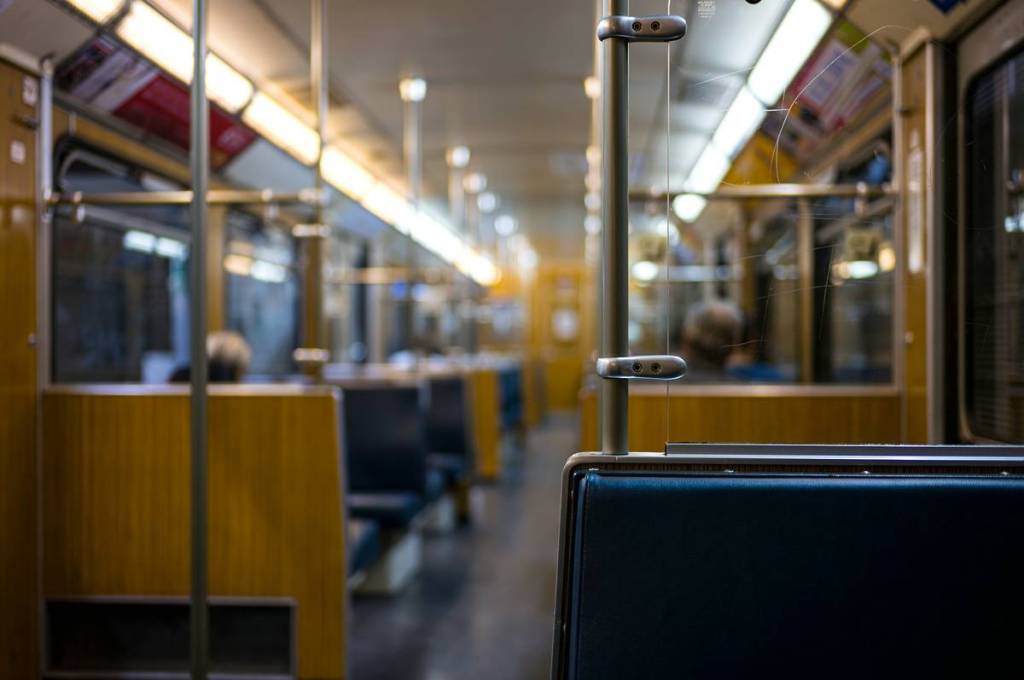
As the city continues to grow and passenger numbers rise accordingly, Munich is investing heavily in the modernization and expansion of its infrastructure. In addition to renovating old facilities, extensive network expansions are planned:
- U5: The extension will take the U5 beyond Laimer Platz to Pasing and, in the future, all the way to Freiham. Completion of this construction project is scheduled for the early 2030s.
- U6: The line is expected to be extended beyond the Großhadern Hospital into the Munich district of Martinsried by 2027.
- U9: The largest new subway construction project in decades is being built as a sort of bypass cutting across the city center to permanently relieve congestion on the heavily trafficked main lines.
- Additional route plans: Also planned are the extension of the U4 toward Englschalking/Riem and the U26 cross-town line between Kieferngarten and Am Hart.
ℹ️ You can find more information about the planned subway projects here.
The Munich subway network continues to grow rapidly, ensuring that you’ll be able to travel quickly and comfortably through the city on the Isar well into the future.