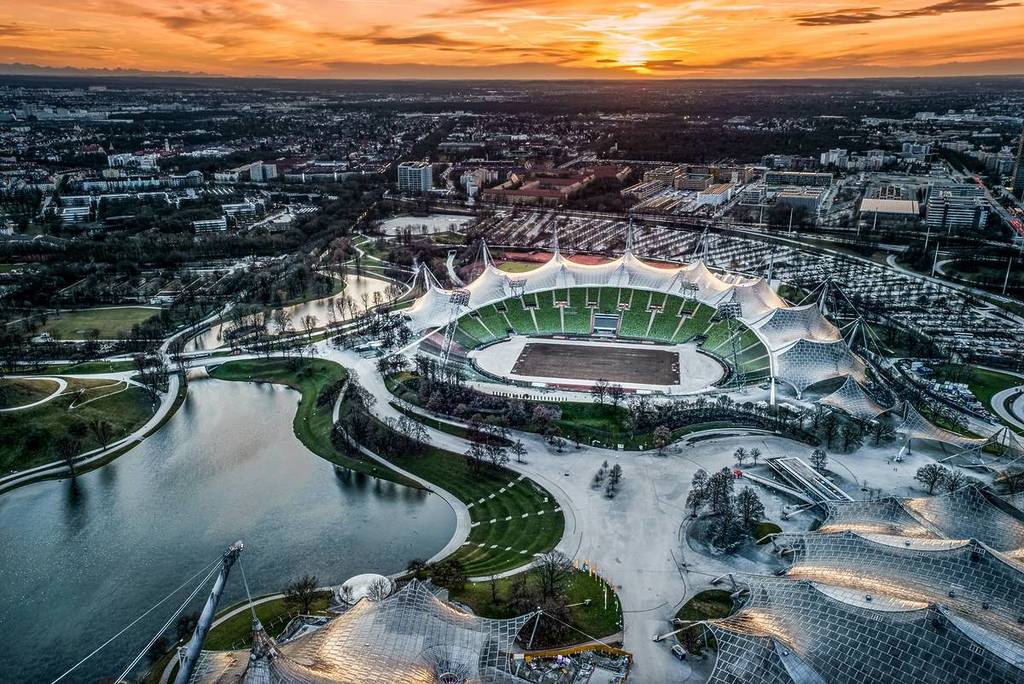
After months of proponents and opponents of Munich’s bid for the Olympics beating the drum for their views, the time has finally come on Sunday, October 26: the referendum on the Olympics is upon us. You will be asked to answer the following question with a yes or no: “Are you in favor of the state capital of Munich bidding for the Summer Olympic and Paralympic Games to be held in 2036, 2040 or 2044?” Find out where you can cast your vote, when you can expect the first results and what else you should know here.
Who is eligible to vote and where can you vote?

All EU citizens who have reached the age of 18 and have lived in Munich for at least two months are eligible to vote. Munich must be registered as their main place of residence. This currently applies to just under 1.1 million people. All eligible voters will receive the relevant documents by post before the election.
You can cast your vote at one of the 106 polling stations set up. You can find the nearest polling station using the City of Munich’s polling station finder. If you cannot or do not want to be there in person on October 26, you can vote by post instead. You will automatically receive the postal voting documents with your election documents, a separate application is not necessary.
When will the result be announced?
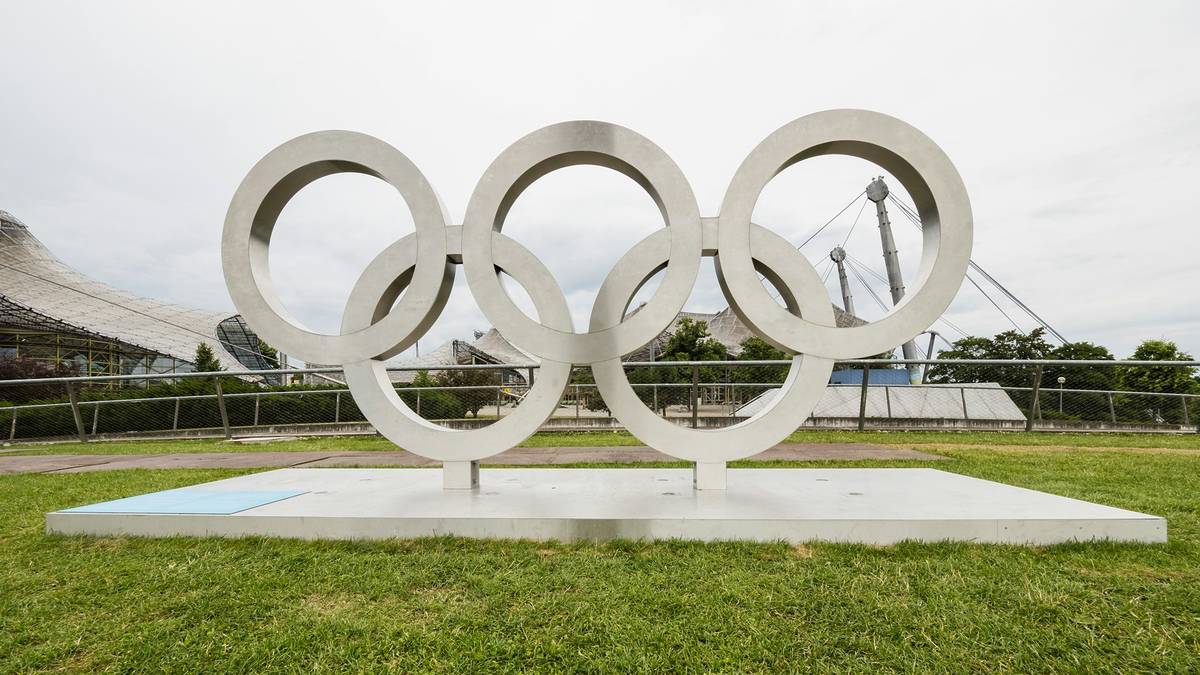
There will be regular updates on the voter turnout from around 09:30; the vote count by the 2,700 electoral assistants will begin at 18:00. The first projections will probably be shared at around 7 pm. However, you will have to wait until Wednesday, October 29 for the final result to be announced. The voting committee will then officially announce the result.
Referendum on the Olympics: a controversial question
The City of Munich, including Lord Mayor Dieter Reiter, had campaigned strongly in advance for the Olympic bid for the years 2036, 2040 and 2044. They argue that hosting the Olympic and Paralympic Games in Munich would primarily benefit the city’s infrastructure. New apartments would be built and the expansion of public transport would be accelerated, such as the development of the second main line and the U9 underground line. In the long term, all citizens of the city would benefit from this, even beyond the Olympics. In addition, the Games are associated with a certain prestige.
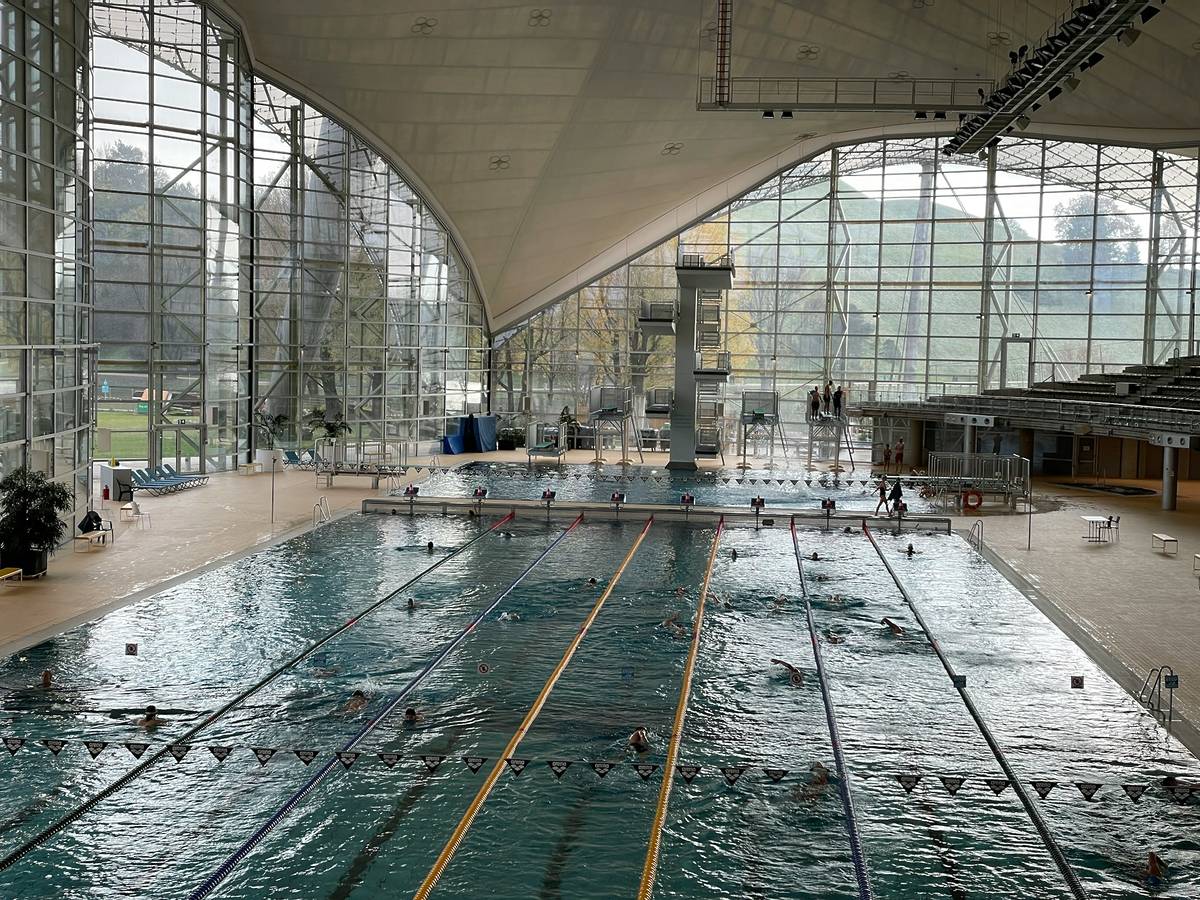
The opposing side, on the other hand, sees the sports festival primarily as a money guzzler. The city already has little money and hosting the Summer Games requires investment in new sports facilities, for example, because the existing ones are no longer suitable for the Olympics. For example, the Olympic swimming pool, which has already undergone costly renovations in the past, has too few swimming lanes for the Olympic Games. A new hall would have to be built. Opponents of the Olympics also fear a further increase in rents, which are already the highest in Germany.
We remain curious to see the result of the referendum and what will happen afterwards.