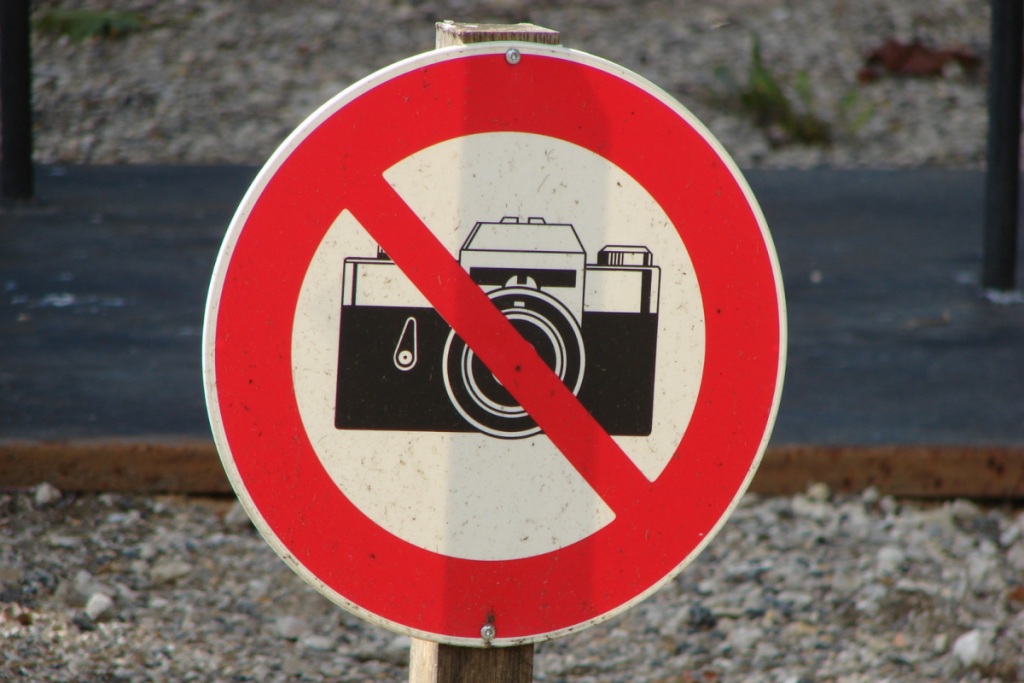

There’s a lot of buzz on social media ahead of the start of the 191st Oktoberfest: Anyone who wants to produce content at the Theresienwiese and earn money from it will have to dig deep into their pockets. Whether it’s sponsored posts, affiliate marketing, product placements, collaborations, or monetized videos on YouTube, Instagram, and TikTok: If footage from the festival grounds is to be used for commercial purposes, a paid license is required in advance. While this regulation is essentially based on the 2016 Oktoberfest Ordinance, the City of Munich has now formulated the provisions for content creators even more precisely.
What content creators need to keep in mind at Oktoberfest
Applications are processed by the agency Brandness GmbH on behalf of the city. The city determines the cost of the permit on a case-by-case basis, with factors such as the account’s reach and revenue from brand partners playing a decisive role. Anyone who recklessly publishes commercial content without prior registration will not get off scot-free, as the city conducts targeted inspections and intensive screening during Oktoberfest. While individuals who violate the regulations will not face a fine, they will be subject to a significantly more expensive retroactive licensing fee.
The situation is quite different at its Swabian rival: At the soon-to-begin Cannstatter Wasen, the event organizer currently does not charge licensing fees for commercial social media content. However, it’s already well known that the Munich festival organizers don’t take commercial PR campaigns lightly: While thousands of international celebrities show up at the festival, Paris Hilton has been permanently banned from the Wiesn as a persona non grata since 2007, following her unauthorized canned Prosecco advertisement in a golden dirndl back in 2006. Even celebrities like Cathy Hummels have obtained theappropriate license for events such as her well-known “Wiesnbummel”so that invited guests can report and post about the event in compliance with the law.
Even with a valid license in hand, content creators at the Theresienwiese are by no means free to do as they please, as certain regulations and rules of conduct continue to apply without exception. For safety reasons, livestreams remain prohibited for all visitors across all platforms. Anyone who blocks pathways, disturbs other guests, or draws attention with mascots and promotional activities risks trouble with festival management. In addition, copyright and privacy laws always apply when filming: Under no circumstances may strangers be filmed without their consent. If you want to report directly from the festival tents, the city license isn’t sufficient anyway, because the property rights of the respective Wiesn landlords apply here, and they must grant their own permission.
What applies to private visitors to the Wiesn
Despite the heated debate online, there’s a clear all-clear for regular festival-goers: Anyone sharing photos or videos on social media for personal use, of course, does not have to pay any fees. The city also dispels concerns regarding the protected terms“Oktoberfest” or“Wiesn”: While the city’s trademark rights prohibit their use in marketing one’s own products or services, the words may still be used in general parlance in a purely descriptive and event-specific manner. Ordinary visitors can therefore continue to capture and share their best moments at the festival without any worries .