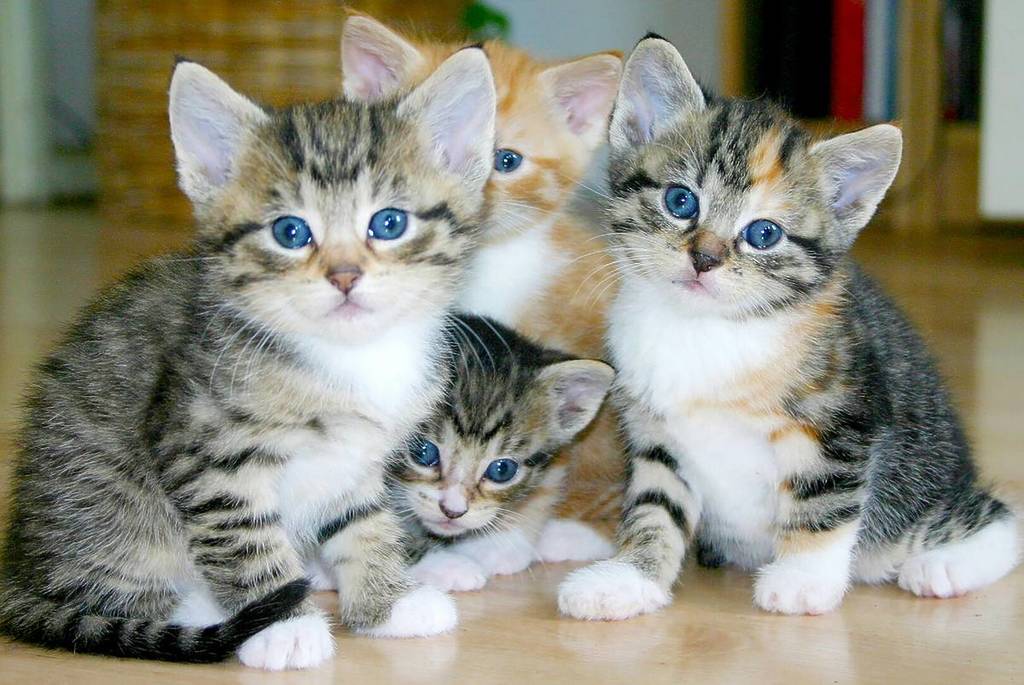
There are an estimated 26 million dogs and cats living in Germany. There are already some rules for our favorite roommates. From dog tax to compulsory registration, German bureaucracy doesn’t stop at pets. And like many other areas –such as the new deposit system – something is likely to change very soon to protect animals. There is already an animal protection law that prohibits so-called torture breeding. However, clear definitions are often lacking. A new draft is therefore intended to tighten up the legal framework in order toclearly prohibit the targeted breeding of animals with certain suffering.
The end for torturous breeds
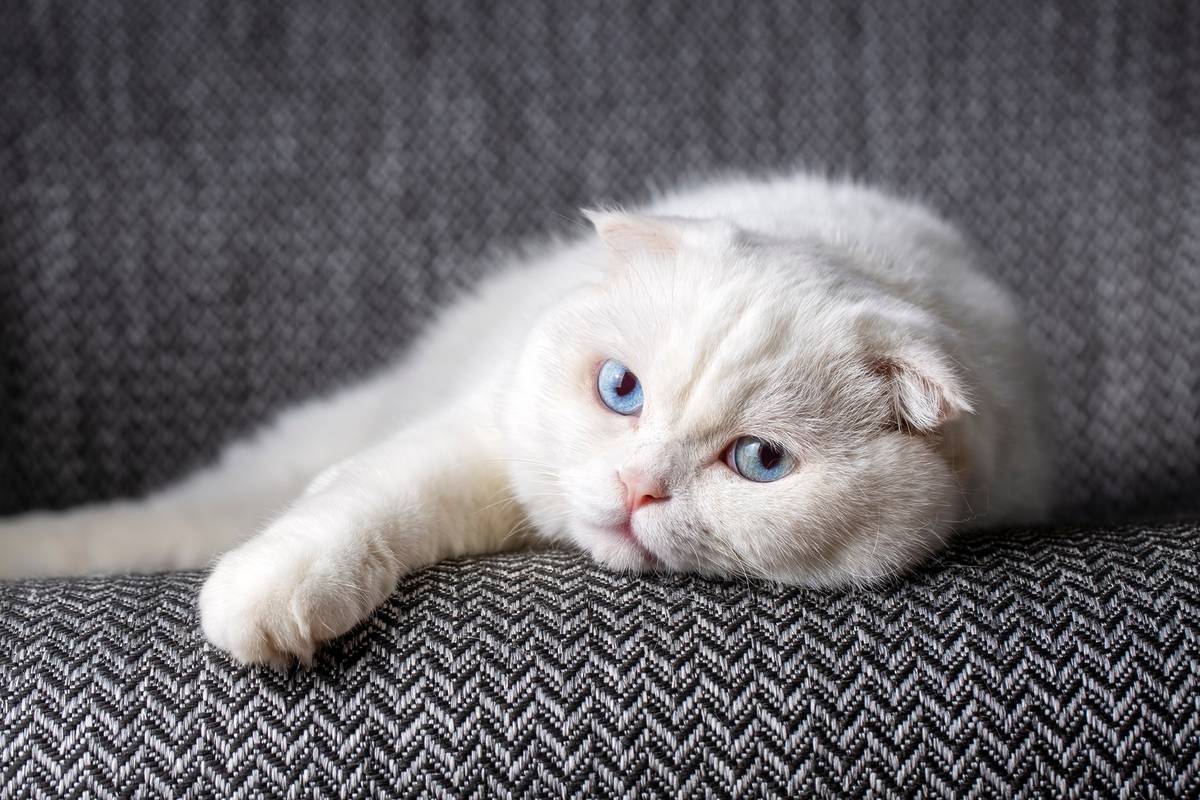
Kinky ears, a cute face just like a child: the Scottish folded-eared cat has been a popular fashionable breed for years. They have become famous thanks to numerous celebrities who own them – including Claudia Schiffer and Taylor Swift. It is precisely because of the latter that more and more people around the world want to own this pedigree cat.
But what many people don’t know: The folded-eared cat is the most prominent example of torture breeding. The ears that fold forward are the result of a genetic defect that causescartilage and bone damage throughout the body and inflicts pain on the cats. The animals pay a high price for their cute appearance.
Now a new regulation is to be created for such torturous breeds. In June of this year, the EU Parliament voted by a large majority in favor of better animal welfare legislation for dogs and cats. Among other things, it is to be prohibited in future to deliberately breed animals with traits that cause suffering. In addition, the presentation and marketing of animals bred for torture is to be banned in order to reduce demand. This would put an end to the uncritical presentation of these cats in the social media.
Other planned changes
In addition, a nationwide identification and registration requirement (using a microchip) for dogs and cats is being called for. This should make it easier to track illegal trade and uncontrolled breeding. Local authorities are even to be given the option of imposing a castration obligation for free-roaming cats capable of reproducing in their area.
The law is currently being amended (based on a draft bill from the Federal Ministry of Food and Agriculture). The final form of the bans has not yet been determined and is being negotiated in the political process and in the trialogue between Parliament and the Council. The clear tendency, however, is to drastically restrict the torturous breeding of cats.
Before the Animal Welfare Act is formally adopted, however, a few final steps still need to be taken. The Parliament, Council and Committee are negotiating in the so-called trialogue to reach an agreement. However, there is a clear trend towards restricting the torturous breeding of cats. The German Animal Welfare Association emphasizes: “If you are interested in an animal companion, please never buy a folded-eared cat from a breeder or on the Internet, so as not to further promote the torture of these animals”. After all, there are plenty of other great – and pain-free – animals out there.