

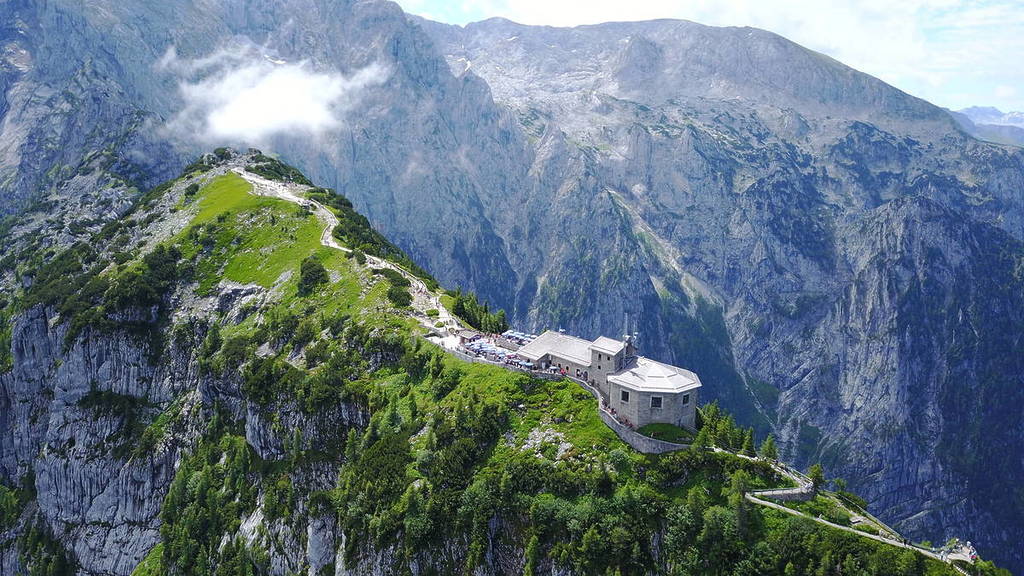
A trip to the area around Munich can provide us with many wonderful moments. From medieval fairytale castles to centuries-old nature, Bavaria has a lot to offer us. But there are also places from the darker side of history. The Eagle’s Nest, for example, which was often referred to as Adolf Hitler’s “tea house”, is often even less well known. The Allies mistakenly referred to it as his “Eagle’s Nest”. It is a building with unique technical and historical features.
A teahouse 1,834 meters above sea level
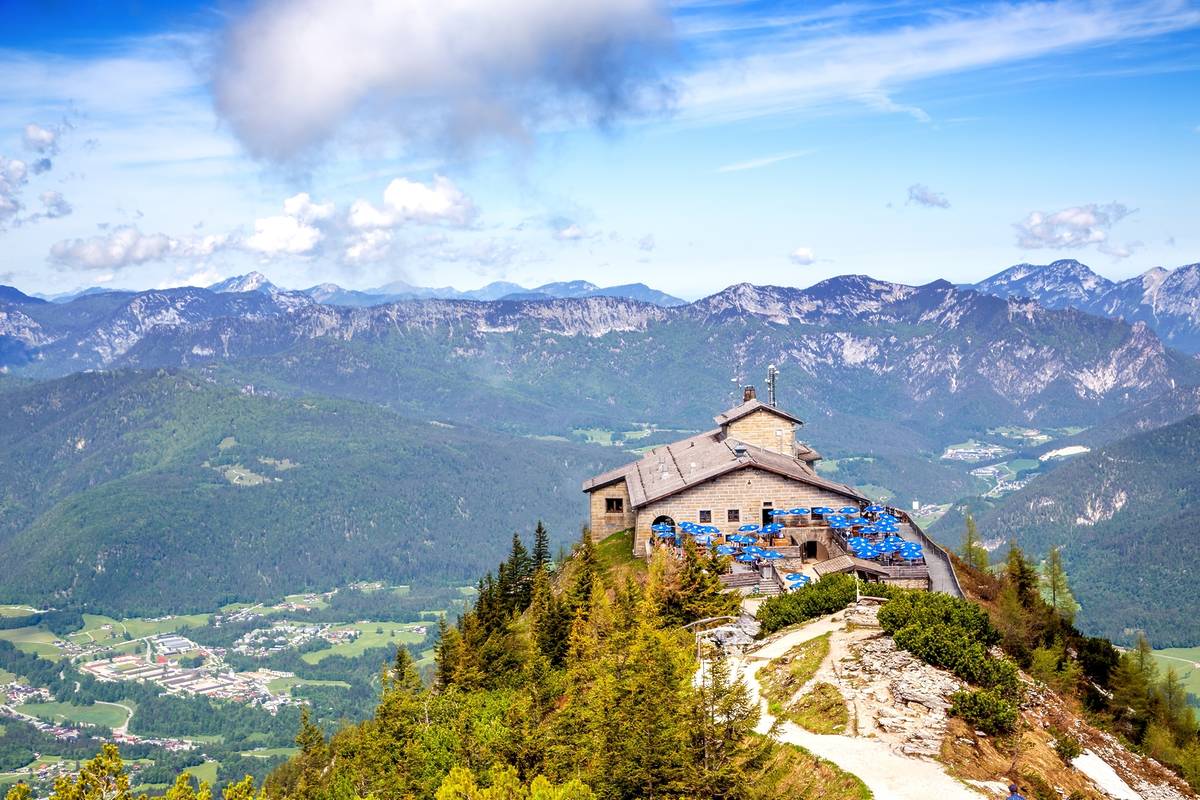
The Second World War caused severe damage to Germany. It is actually a miracle that certain buildings escaped completely undamaged. But the Eagle’s Nest is one of them. It was built in 1938 – in just 13 months. The interior speaks volumes about the owner: The fireplace in the main hall was donated by the fascist dictator Benito Mussolini.
This “tea house” is said to have been a gift for Hitler’s 50th birthday. Although it was officially opened on this day, it had already been completed in 1938. It is therefore unclear whether this is just a myth. In any case, Hitler only visited the Eagle’s Nest around ten times and only stayed for a short time each time. He is said to have avoided it due to the altitude or the feared danger of being struck by lightning in the elevator shaft.
The Kehlsteinhaus is notorious for its location. It is located on the summit of the Kehlstein near Berchtesgaden – a whole 1,834 meters above sea level! Those who take the adventurous route will be rewarded with fantastic nature on the mountain.
The ride through the mountain
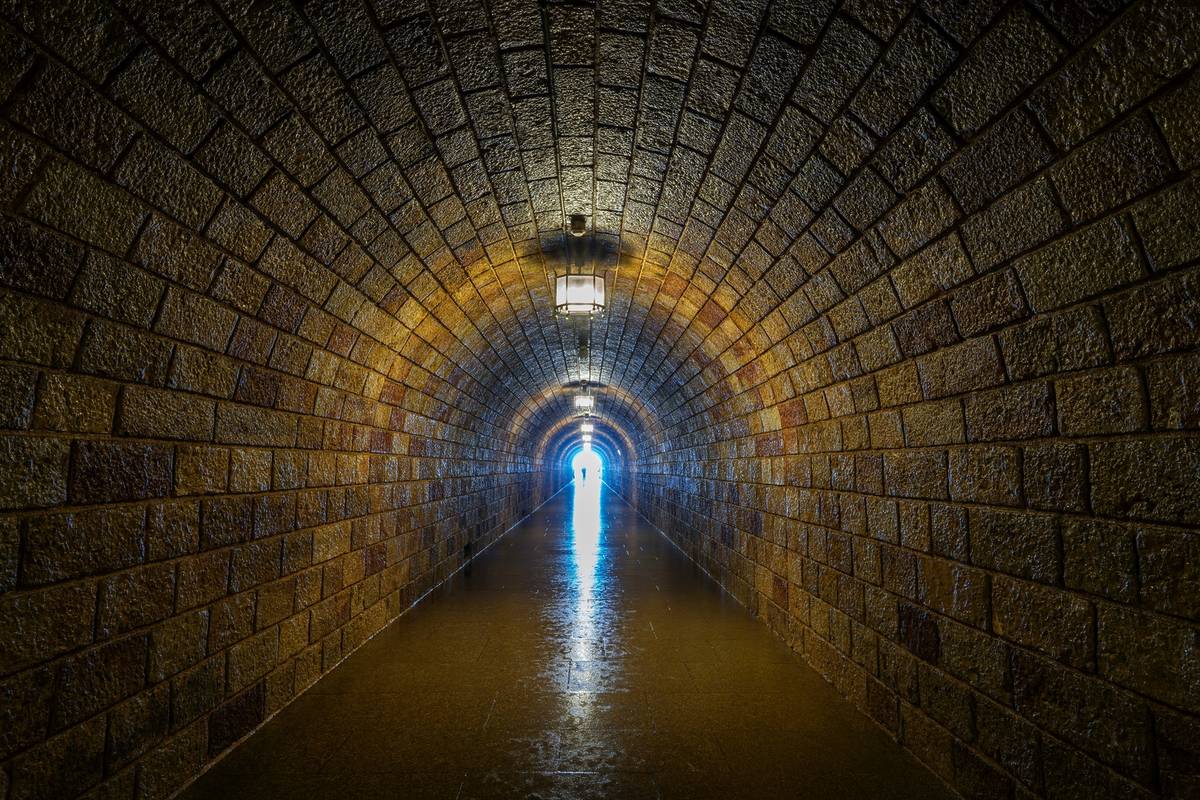
The road to the Eagle’s Nest is its biggest feature and the most technically impressive element: because if you want to get up here, you should be free from giddiness. The road is 6.5 km long and only approved for special buses. With a gradient of 24 percent and five tunnels, it is a masterful feat of engineering. And at the very end of the road, visitors enter a 124-metre-long granite tunnel carved into the rock.
The tunnel ends in a round waiting hall at the foot of the elevator shaft. This is where things finally get really high. The shaft of the “Gold Elevator” is 124 meters high. It was blasted vertically through the solid rock of the mountain. The elevator is called “golden” because the cabin is luxuriously clad in polished brass and Venetian mirrors. Back then, only the best would do for the guide.
Today you can still use this special elevator. The ride takes around 41 seconds and the cabin can accommodate up to 48 people. The Eagle’s Nest itself has been open as a public mountain restaurant with a stunning view since 1952. Today, the income is used for charitable purposes. So the dark chapter in history has now been turned into a positive cause.
