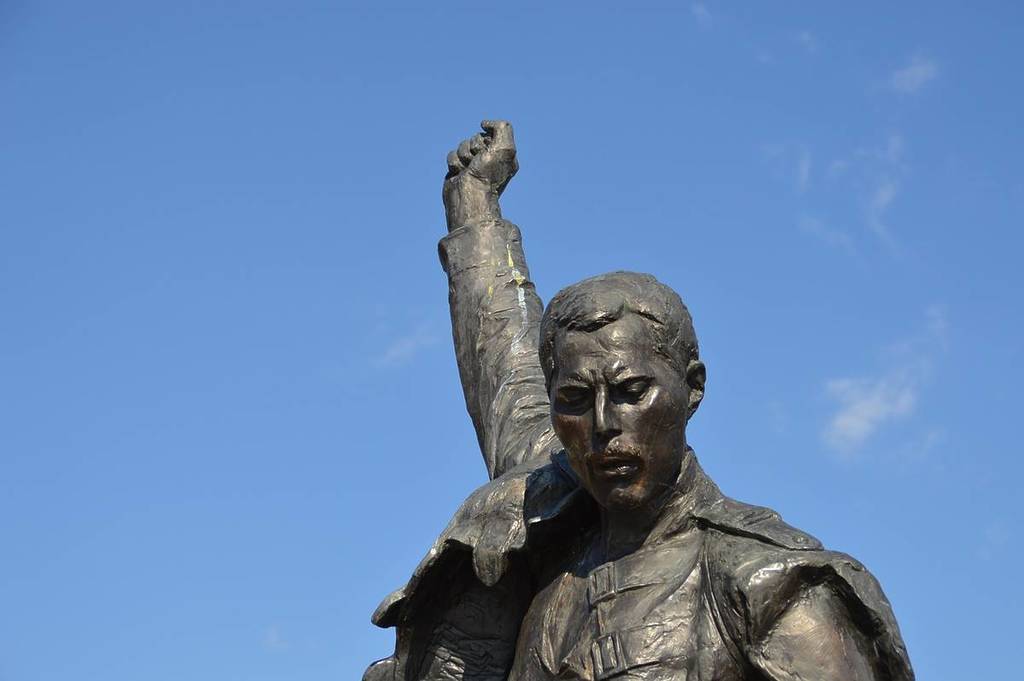

Many world-famous stars have lived in Munich, though often before they achieved fame. Albert Einstein attended school in the Glockenbach district, and Arnold Schwarzenegger worked at a gym near the main train station. Freddie Mercury is another big name firmly intertwined with our city’s history. Unlike Einstein and Schwarzenegger, he moved to Munich after he had already become world-famous. He lived here for six years and frequented places, some of which still exist today.
What brought Freddie Mercury to Munich
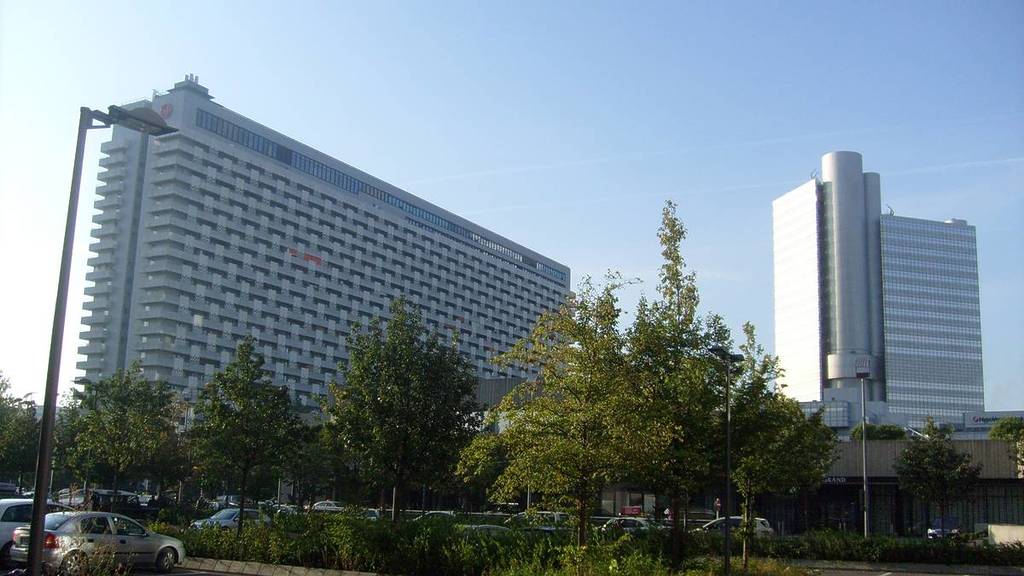
In 1979, Queen began recording their album “The Game” at Musicland Studios in the Arabella Tower. This album produced the hit single “Crazy Little Thing Called Love,” which catapulted the band to No. 1 on the U.S. charts for the first time. At that time, Freddie Mercury settled permanently in Munich to escape the British press. The city on the Isar gave him a sense of freedom, as he could walk the streets here without being constantly surrounded by reporters.
He himself described the city as a “small village,” which fits Munich’s reputation as the “world’s largest village.” The singer lived on Stollbergstraße in Lehel. He had a furnished apartment in Stollberg Plaza, a boarding house where you can still rent a room today.
The excesses of “Mr. Bad Guy”
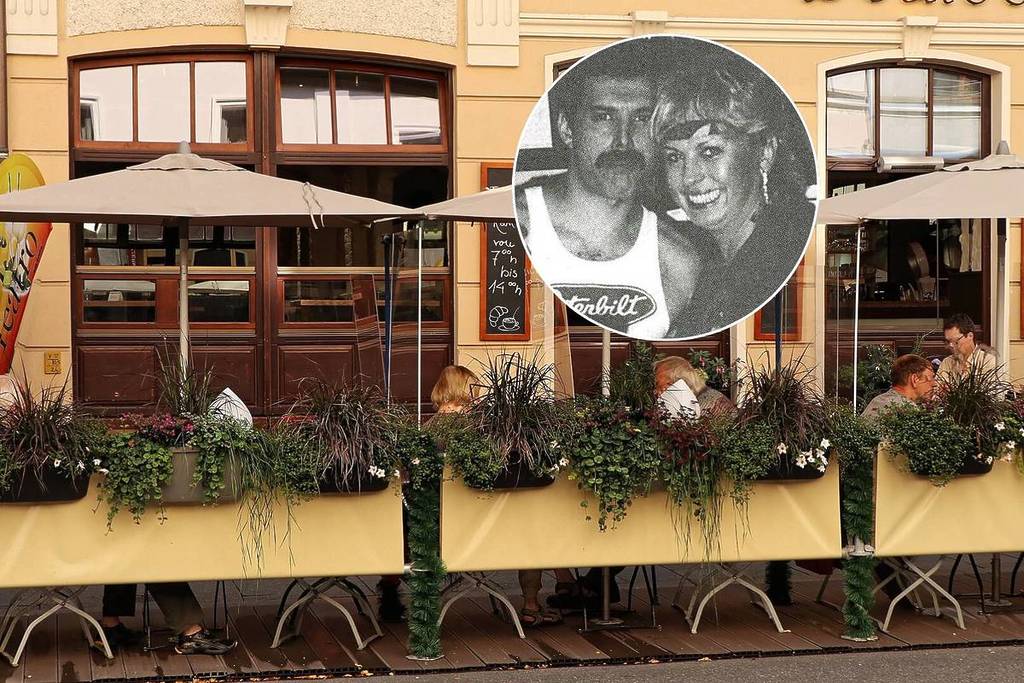
Freddie Mercury’s time in Munich was marked by wild parties. He particularly enjoyed spending time in the Glockenbach district, which was already considered a hotspot of the queer scene back then. He partied at the Pimpernel and visited Café Nil, both of which still exist today, unlike the Frisco on Sonnenstraße. He was also a frequent guest there, throwing wild drug-fueled parties—drugs that Barbara Valentin is said to have supplied. The Yellow Submarine at Schabylon was another club he enjoyed visiting, though unfortunately it no longer exists in Munich.
The situation is different with the Deutsche Eiche near Gärtnerplatz. Although there was no men’s sauna in its basement back then, it was still a gathering place for members of the queer community. Artists from the Gärtnerplatztheater also liked to come here to celebrate after their performances. Today, a mosaic on the façade of the Deutsche Eiche serves as a reminder that Freddie Mercury was also a regular here.
Freddie hosted his infamous birthday party at the former drag club Old Mrs. Henderson. Located on Rumfordstraße, it attracted not only the rock legend but also other musicians like Mick Jagger and David Bowie. It was here, on Freddie’s 39th birthday on September 5, 1985, that the video for “Living on My Own,” a single from his solo album “Mr. Bad Guy,” was filmed. Thanks to this wild party, the star made headlines the very next day.
In the Footsteps of Freddie Mercury in Munich
The Old Mrs. Henderson no longer exists; instead, the Paradiso Tanzbar is located here today, where you can still party. The Deutsche Eiche, Café Nil, and the Pimpernel are still open today, whereas the Yellow Submarine in Schwabing was unfortunately demolished. Since 2020, there has also been a Freddie Mercury Street in the creative district of Neuhausen, honoring the musician.
If you want to discover these and other places where the global superstar spent time in Munich and learn more about the background, you can book one of the many Freddie Mercury city tours. Here, people who knew the artist personally will tell you about his time in Munich and the stories they experienced with him firsthand. Some of these tours start at the Hard Rock Café on the Platzl, where you can refuel with a burger after the tour